
Did you know the largest offshore oil platform in the world stands taller than the Eiffel Tower and can produce up to one million barrels of oil a day? These feats of engineering are not only gigantic in size but also pivotal to the global oil and gas supply. Journey behind the scenes to uncover the mind-blowing processes, Herculean logistics, and groundbreaking innovations involved in constructing the largest offshore oil platform ever built.
Astonishing Scale: Startling Facts Behind the Largest Offshore Oil Platform
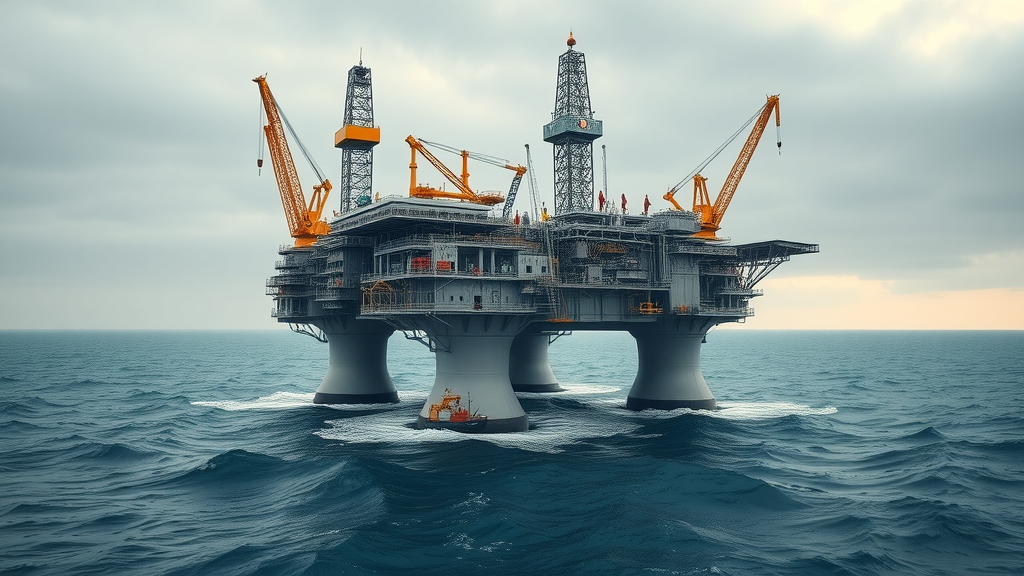
The largest offshore oil platform is not just an industrial marvel—it’s an engineering landmark that rivals the scale of the world’s tallest skyscrapers. These platforms, often as tall as the Eiffel Tower, rise from the ocean floor and withstand some of the harshest environments on Earth. Oil rigs like these are capable of extracting millions of barrels of petroleum and natural gas from deep within the Earth’s crust, facilitating vital global oil production. Their sheer size is astonishing: some span more than a football field in length and weigh hundreds of thousands of tons. Each platform can house up to 200 workers and supports advanced oil and gas processing units, living quarters, and massive helipads.
The logistics behind such a project are equally staggering. Sections of these oil platforms, often built on land, are assembled using heavy-lift barges and towed across open seas, demonstrating immense engineering complexity and precise planning. It’s no surprise that the largest offshore oil platform is designed to withstand waves higher than three-story buildings, hurricane-force winds, and earthquakes—testaments to both human ingenuity and the critical importance of offshore oil extraction in powering modern civilization.
- What You’ll Learn About the Largest Offshore Oil Platform
- The landmark engineering and design behind the largest offshore oil platforms
- Step-by-step construction processes from site selection to final commissioning
- Record-breaking global platforms and their regional achievements
- Pioneering innovations in deepwater drilling and oil production
- Expert insights from industry engineers
- Frequently asked questions about oil platforms worldwide
- Key takeaways on the impact of these platforms for global energy
Understanding Offshore Oil Platforms: Design and Purpose
Offshore oil platforms serve as the backbone for extracting, processing, and storing oil and gas reserves beneath the ocean floor. Their structures must combine strength, flexibility, and resilience to survive the relentless forces of nature in deepwater environments. In some cases, oil platforms are exposed to north sea storms, towering hurricane waves in the gulf of mexico, and even earthquakes. These factors shape the engineering choices that dictate the platform’s ability to operate efficiently and safely for decades.
Unlike smaller oil rigs onshore, the largest offshore oil platforms integrate advanced security systems, crew accommodation, power generation, and comprehensive emergency equipment. Such platforms typically stand in water depths exceeding 1,000 meters—a realm where deepwater technology is critical. Not only do they access oil wells located far offshore, but they also provide the infrastructure necessary for ongoing oil and gas platform maintenance and expansion, ensuring uninterrupted oil production even in challenging and isolated marine environments.
What Is an Offshore Oil Platform? Structural Engineering 101
An offshore oil platform is a complex, multifunctional structure designed for the extraction and initial processing of petroleum and natural gas from beneath the seabed. The platform itself is made up of a substructure, which anchors it to the ocean floor, and a topside, which houses drilling equipment, processing units, and living quarters. The biggest challenge in structural engineering is creating a platform that is both robust and adaptable—able to withstand extreme forces without breaking while also providing flexibility for ongoing upgrades and technological advancements.
Engineers use steel and concrete in massive quantities to build these platforms, employing advanced simulation tools to model their responses to waves, wind, and potential seismic activity. By pairing technical blueprints with 3D modeling, every bolt and beam is purpose-selected for durability and safety. This precise attention to detail is critical, particularly for platforms designed to tap ultra-deep oil wells in treacherous locations such as the deepest oil fields.

The Role of Oil Rigs and Platforms in Global Oil and Gas Production
The largest offshore oil platform is not only an industrial titan but also a linchpin for global oil and gas production. Offshore oil platforms are responsible for a significant share of the world’s daily oil output, connecting remote oil reserves to global supply chains. In regions like the Gulf of Mexico and the North Sea, these mega-structures have enabled access to vast untapped reservoirs, significantly boosting oil and gas platform productivity.
Advances in platform technology have allowed companies to drill deeper, further, and more safely than ever before. Sophisticated monitoring systems, automation, and innovation in materials help ensure the oil production process is efficient and sustainable. Ultimately, offshore oil platforms play a crucial role in meeting rising energy demands and supporting global economic development, cementing their status as modern engineering wonders.
Step-by-Step: How the Largest Offshore Oil Platforms Are Built
Constructing the largest offshore oil platform is an epic journey, unfolding across multiple continents and often spanning a decade from conception to completion. The process is divided into critical stages—each requiring precise planning, advanced technology, and flawless execution. From initial geological surveys to the celebratory moment when the first barrel of oil flows, each stage is a testament to human ingenuity. Below are the 10 monumental steps that bring a massive offshore oil platform to life, detailing the progression from the ocean’s depths to the towering steel superstructures above the waves.
- Site Selection: Geological Surveys & Ocean Criteria
- Engineering & Design: From Oil Wells to Superstructure
- Fabrication of Topsides and Substructures
- Transportation to Site: Heavy Logistics for Oil Platforms
- Installation: Jacking, Floating, or Sinking the Oil Rig
- Hook-Up and Integration of Offshore Oil Systems
- Drilling Operations: Creating Producing Oil Wells
- Commissioning: First Oil and Quality Checks
- Living Quarters, Worker Safety, and Emergency Systems
- Ongoing Maintenance and Upgrades for Oil Platforms
1. Site Selection: Geological Surveys & Ocean Criteria
Before a single beam is welded, the journey to building the largest offshore oil platform begins with precise site selection. Teams of geologists and oceanographers conduct extensive surveys using seismic imaging and remote-sensing technology to identify oil wells with high yields. Water depth, soil composition, and distance from land all play vital roles in determining a viable platform location. The ocean floor must have the right stability, and engineers must consider environmental risks such as hurricanes, earthquakes, and iceberg movement.
Accessibility to global oil shipping lanes and proximity to existing oil and gas infrastructure also influence the choice. With billions at stake, nothing is left to chance—every regional and geological factor is scrutinized to ensure that the selected site can both support massive structures and assure long-term oil production. This careful selection paves the way for safe, cost-effective, and sustainable offshore oil extraction.
2. Engineering & Design: From Oil Wells to Superstructure
The second step involves transforming site survey results into architectural plans. Structural engineers design the oil platform to be sturdy enough to anchor to the seabed yet flexible enough to absorb the forces of the ocean. Engineering teams develop detailed 3D models, testing platform designs against simulated storms and seismic events. Special attention is paid to optimizing the flow of crude oil and natural gas from oil wells, ensuring that all processing units, pipelines, and safety systems are positioned for efficiency and accessibility.
Innovations such as floating platforms or compliant towers may be considered for regions with exceptional water depth. The integration of security systems and emergency equipment is also critical to protect both people and infrastructure. By combining world-class engineering and global best practices, designers create a blueprint that balances operational demands with crew wellbeing and environmental safety.
3. Fabrication of Topsides and Substructures
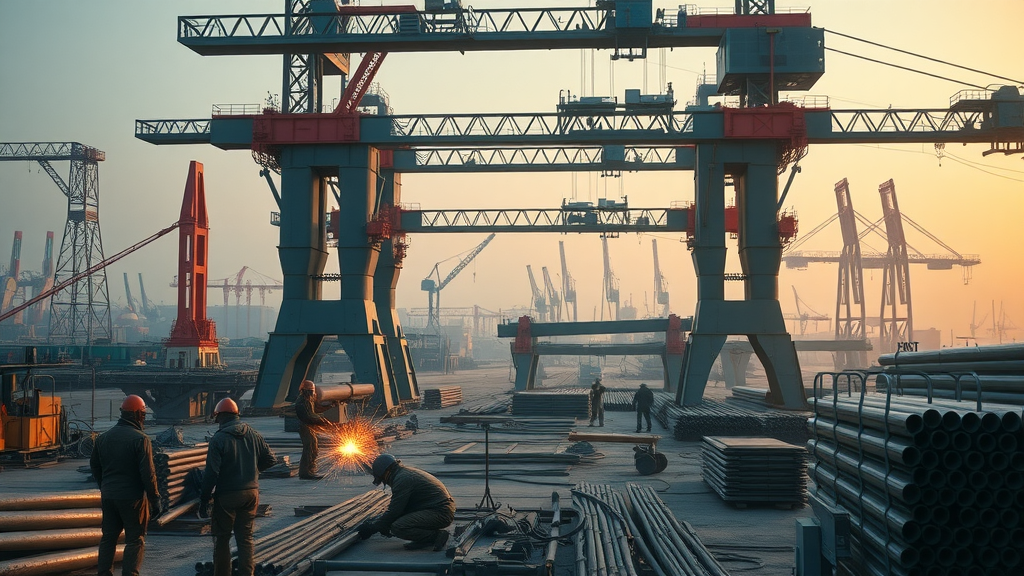
Once designs are finalized, the platform comes to life in fabrication yards that resemble bustling industrial cities. Here, oil rig topsides (housing production facilities, living quarters, and helipads) and mammoth substructures are constructed using giant cranes and cutting-edge welding techniques. The steel frames, pipes, and modules are meticulously assembled and tested before being transported to the installation site.
This phase demands flawless coordination because a single error can cascade into delays or compromise the platform’s safety. Multiple national and international suppliers provide equipment and materials, while teams work around the clock—often in challenging weather conditions—to meet construction deadlines for the largest offshore oil platform.
4. Transportation to Site: Heavy Logistics for Oil Platforms
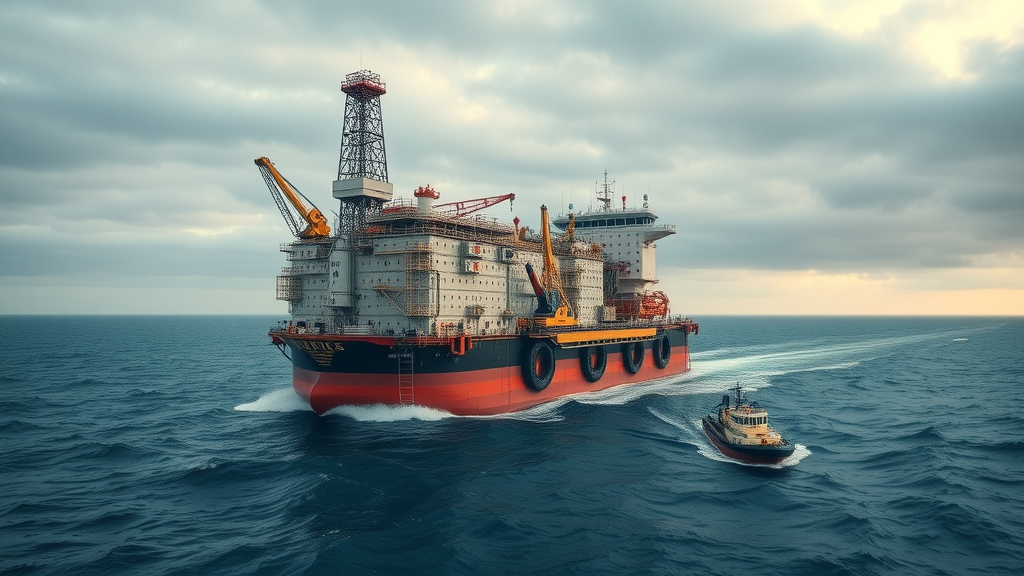
With its gigantic modules ready, transporting the largest offshore oil platform is a formidable logistical challenge. Specialized heavy-lift barges and tugboats are used to ferry platform components—some weighing thousands of tons—across treacherous ocean routes. The trip is carefully coordinated to avoid storms and ensure the structure’s safety, as losing even a single section could mean millions in losses.
Ocean-going logistics include intricate planning involving customs, port authorities, and marine engineers. Whether journeying to the North Sea, Gulf of Mexico, or off the Pacific Coast, the process exemplifies the interplay between engineering ambition and maritime expertise. Once on site, the modules are primed for integration, setting the stage for final assembly and installation.
5. Installation: Jacking, Floating, or Sinking the Oil Rig
Installation is where the oil rig truly becomes part of the ocean. Depending on the water depth and platform type, engineers use one of three main techniques: jacking (for shallow waters), floating (for semi-submersibles), or sinking (for concrete gravity bases and compliant towers). In deepwater locations—sometimes exceeding the depth of the deepest spar—great care is taken to anchor the platform securely to the seabed.
Once the superstructure and substructure are positioned, crews perform critical safety checks, adjust ballast systems, and ensure all anchoring lines or piles are locked in place. These steps guarantee the platform’s stability, allowing for the safe integration of the remaining modules and the eventual start of drilling operations.
6. Hook-Up and Integration of Offshore Oil Systems
Following installation, the separate modules of the largest offshore oil platform are joined together. Technicians and engineers connect processing units, electrical systems, safety devices, and living quarters, transforming isolated sections into a fully integrated, operational platform. This “hook-up” phase is highly complex: it requires synchronizing gas compressors, power generators, pumps, and safety alarms to prevent hazards and ensure smooth oil production.
Integration teams rigorously test every system, from leak detection to fire suppression, before final signoffs. This stage is critical for worker safety and operational efficiency, as even small issues in this immense operating environment can have enormous consequences.
7. Drilling Operations: Creating Producing Oil Wells
At the heart of the platform’s mission lies the drilling operation, where giant rotary drills burrow through thousands of meters of rock to reach oil reserves and natural gas. Highly trained crews operate advanced machinery on the platform’s deck under strict safety protocols. Every drilled well is carefully lined with casing and cement, protecting the environment while ensuring efficient flow paths for petroleum.
With multiple oil wells drilled from a single platform, production teams balance extraction rates with reservoir pressure maintenance. Innovations in directional and horizontal drilling technologies maximize reservoir access, resulting in higher recovery rates and more efficient offshore oil extraction.
8. Commissioning: First Oil and Quality Checks
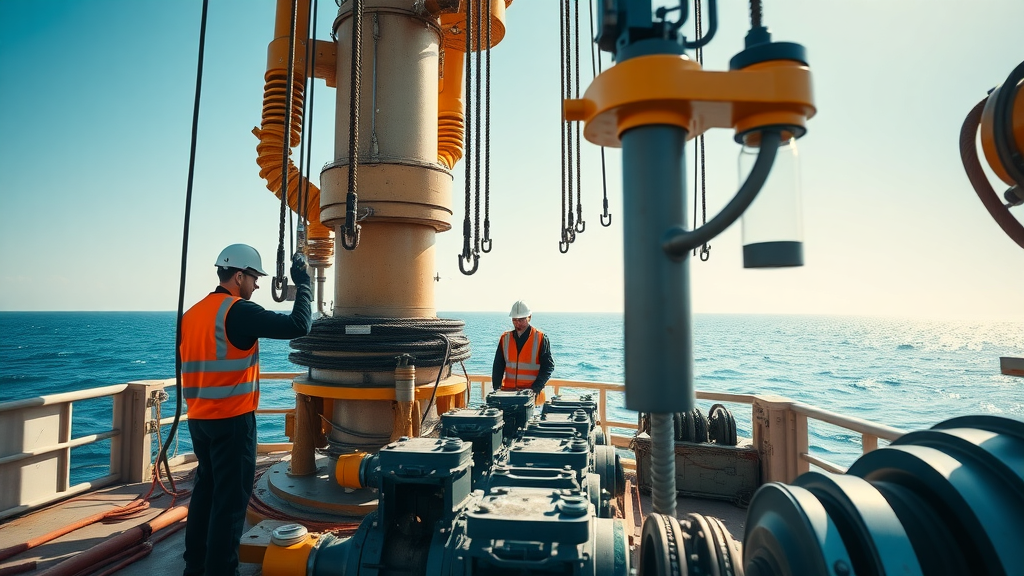
Commissioning marks the transition from construction site to active oil and gas platform. Every system—from control rooms to storage tanks—is rigorously tested for quality and reliability. Pilots of piping, electronics, compressors, and safety devices must demonstrate flawless operation before the highly anticipated “first oil” milestone is reached.
Additional checks include environmental monitoring, emergency lockdowns, and quality assurance walkthroughs. Only upon passing all inspections does the platform begin commercial operation, delivering barrels of oil to global markets.
9. Living Quarters, Worker Safety, and Emergency Systems
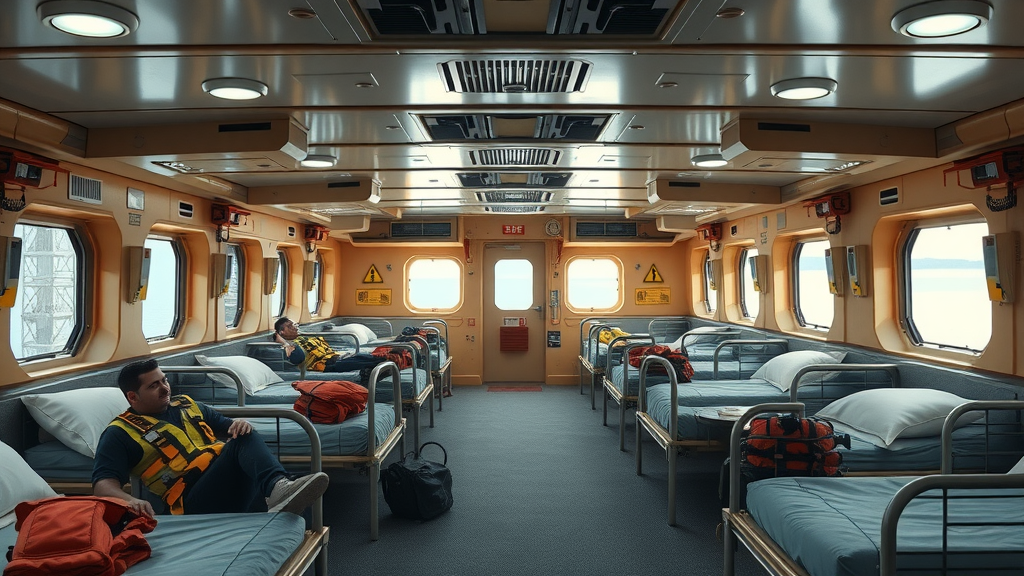
The building of the largest offshore oil platform is not just about steel and machinery—human safety is paramount. Living quarters are designed for comfort and durability, featuring communal spaces, advanced communication tools, and robust security systems. Crew members have access to gyms, kitchens, lounges, and even dedicated medical facilities, ensuring their wellbeing during extended offshore rotations.
Emergency response systems are built into every level: fire suppression, evacuation pods, and medical stations are ready for rapid deployment. Regular safety drills and comprehensive training keep all crew prepared, ensuring worker safety and protecting the platform from accidents or emergencies on the high seas.
10. Ongoing Maintenance and Upgrades for Oil Platforms
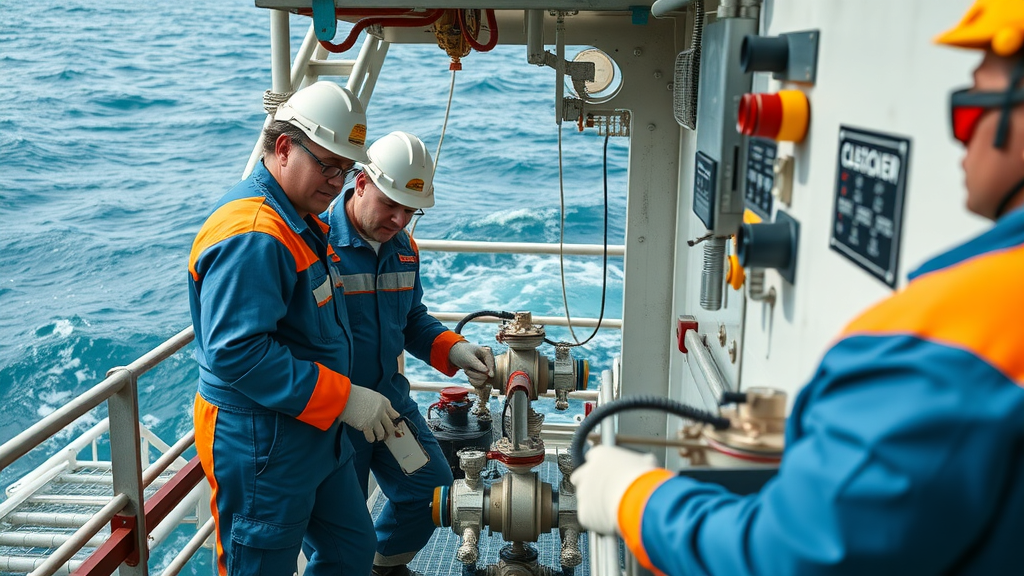
Even after commissioning, the largest offshore oil platform remains in a state of continuous improvement. Maintenance teams regularly inspect valves, electronics, and structural supports to prevent breakdowns. Upgrades are routinely scheduled, adding new drilling technologies, environmental monitoring systems, and even automation to increase safety and efficiency.
In an industry where downtime can cost millions per day, proactive maintenance and adaptation to new technological advances are vital. This commitment to excellence ensures the platform’s enduring performance and supports its legacy as a cornerstone of global energy infrastructure.
Regional Wonders: Largest Offshore Oil Platforms Around the World
Around the globe, several offshore oil platforms vie for the title of largest by different measures—height, production, volume, or technological innovation. While some rule the frigid waters of the North Sea, others dominate the warm, hurricane-prone Gulf of Mexico. Each represents a regional wonder and showcases the adaptability of megastructure engineering to vastly different oceanic conditions.
These platforms—including record-holders like the Hibernia Platform, massive compliant towers, and revolutionary floating rigs—enable the extraction of billions of barrels of oil from once-inaccessible reserves. Their continued advancement drives the future of offshore oil and gas extraction and underscores the vital impact of the largest offshore oil platform on world energy.
Hibernia Platform: The Giant of the North Sea
The Hibernia Platform is an engineering powerhouse, floating in the icy expanse of the North Sea. Built to withstand iceberg collisions, ferocious storms, and freezing conditions, this oil rig is anchored by a gravity-based structure weighing more than 1.2 million tons. The Hibernia Platform’s robust infrastructure fixes it to the ocean floor some 80 meters below the surface, drawing crude oil and gas from several of the world’s deepest oil wells.
Located hundreds of kilometers from shore, it provides living quarters, a medical center, and cutting-edge safety equipment for its workforce—maximizing productivity while maintaining the highest safety standards. Its ability to produce over 200,000 barrels of oil per day proves the Hibernia Platform isn’t just an engineering marvel, but also a major contributor to global energy reserves.
Compliant Towers in the Gulf of Mexico: Record-Breaking Oil Rigs
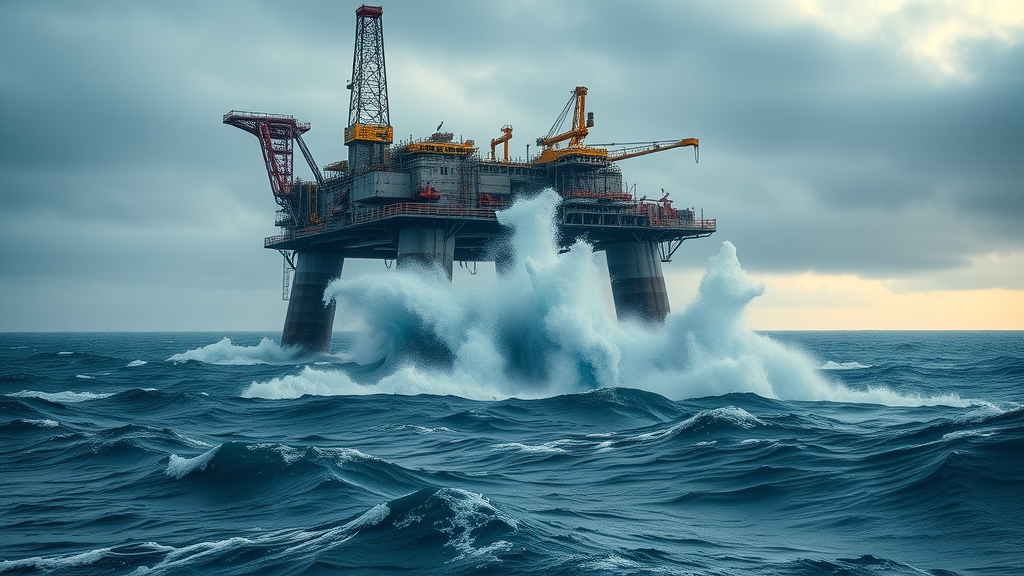
The Gulf of Mexico is home to the world’s tallest oil platforms—colossal compliant towers like the Petronius and Baldpate rigs. These structures stretch for more than 600 meters, rooted deep in soft seabed soils and designed to sway gently with the ocean’s undulating currents. Their flexible architecture allows them to survive massive waves and storms, making them ideal for extracting natural gas and oil from ultra-deepwater fields.
Not only do they break records for water depth and height—some are nearly as tall as the Eiffel Tower—but they also represent the cutting edge in oil and gas platform innovation. Platforms here, such as those operated in the Mars Field by Shell, can regularly produce hundreds of thousands of barrels of oil and serve as a focal point for advancements in offshore drilling technology.
Innovation in Deepwater Oil and Gas Technology
The largest offshore oil platform is not just big—it’s smart. Deepwater innovations, like floating production systems (FPSOs), remote-controlled drilling units, and advanced subsea robotics, have revolutionized offshore oil extraction. These advances allow platforms to drill deeper, operate more efficiently, and minimize environmental impact compared to older oil rigs.
Real-time data monitoring, redundant security systems, and ultra-modern emergency response units help platforms adapt to shifting operational requirements. As global demand pushes exploration farther and deeper, emerging technologies ensure that the largest offshore oil platforms can tap into new oil reserves and support sustainable oil production well into the future.
| Comparison of the World’s Largest Offshore Oil Platforms | ||||
| Name | Location | Water Depth (m) | Structural Type | Production Capacity (barrels/day) |
|---|---|---|---|---|
| Perdido | Gulf of Mexico | 2,438 | Spar | 100,000 |
| Hibernia | North Sea | 80 | Gravity Base | 220,000 |
| Petronius | Gulf of Mexico | 535 | Compliant Tower | 60,000 |
| Bullwinkle | Gulf of Mexico | 412 | Jacket | 65,000 |
| Troll A | Norwegian Sea | 303 | Condeep | 240,000 |
Expert Insights: Quotes from Offshore Oil Platform Engineers
“Constructing an offshore oil platform is one of the greatest engineering achievements of our era.” — Lead Structural Engineer, Gulf of Mexico Project
People Also Ask: Largest Offshore Oil Platform FAQs
What is the biggest offshore platform in the world?
The biggest offshore platform in the world by total structural weight is the Hibernia Platform in the North Sea, featuring a gravity base structure weighing over 1.2 million tons. When considering height and water depth, the Perdido floating oil platform in the Gulf of Mexico operates in a staggering water depth of nearly 2,500 meters, holding the record for the world’s deepest production facility.
What is the most common offshore oil platform?
The most common type of offshore oil platform is the fixed platform or jacket structure, especially in shallower waters. These platforms use steel frames anchored to the seabed and are widely used worldwide for their reliability and ease of construction. In deepwater locations, floating platforms such as semisubmersibles and spars are increasingly popular due to their adaptability and mobility.
How many offshore oil platforms are there in the world?
There are estimated to be more than 7,000 offshore oil platforms globally, spread across regions including the Gulf of Mexico, North Sea, Southeast Asia, and the Pacific Coast. These structures range from small satellite platforms to mega-structures like the largest offshore oil platform, powering both local and global energy markets.
What is the second largest offshore oil field in the world?
The second largest offshore oil field worldwide is the Safaniya Oil Field in the Persian Gulf. While offshore platforms here span vast areas and support enormous oil production volumes, other major fields include the Mars Field in the Gulf of Mexico and the Troll Field in the Norwegian Sea—each renowned for their complex platforms and immense output.
Key Takeaways: Building the Largest Offshore Oil Platforms
- The largest offshore oil platforms are marvels of modern engineering, standing taller than skyscrapers and withstanding extreme ocean forces.
- Construction involves a decade-long process from geological surveys to continuous maintenance and upgrades.
- Innovative designs—such as compliant towers, spars, and gravity bases—enable platforms to operate in ultra-deepwater environments.
- These platforms provide vital infrastructure for global oil and gas production, accessing reserves that fuel the world’s economies.
- Human safety, advanced security systems, and ongoing technological advances are integral to platform success.
Frequently Asked Questions About the Largest Offshore Oil Platform
What are the main challenges in building the world’s largest offshore oil platform?
The primary challenges include dealing with extreme water depths, harsh environmental conditions like hurricanes and earthquakes, complex logistics for transporting massive modules, and ensuring worker safety. Additionally, integrating advanced safety and security systems and adhering to strict environmental regulations make every build a monumental feat of planning and execution.
How do offshore oil platform designs differ by region?
Offshore oil platform designs vary based on water depth, seabed geology, regional weather, and local regulations. For example, the North Sea favors gravity-based structures to withstand icebergs and storms, while the Gulf of Mexico leads in compliant towers and floating platforms to manage deepwater currents and hurricanes. These adaptations ensure the platform’s success and longevity in diverse marine environments.
Conclusion: The Enduring Legacy of the Largest Offshore Oil PlatformVideo Tour: Time-Lapse Footage of the Largest Offshore Oil Platform Build
The largest offshore oil platform stands as an enduring symbol of technological innovation—fueling the world, pushing the limits of engineering, and shaping our energy future.