
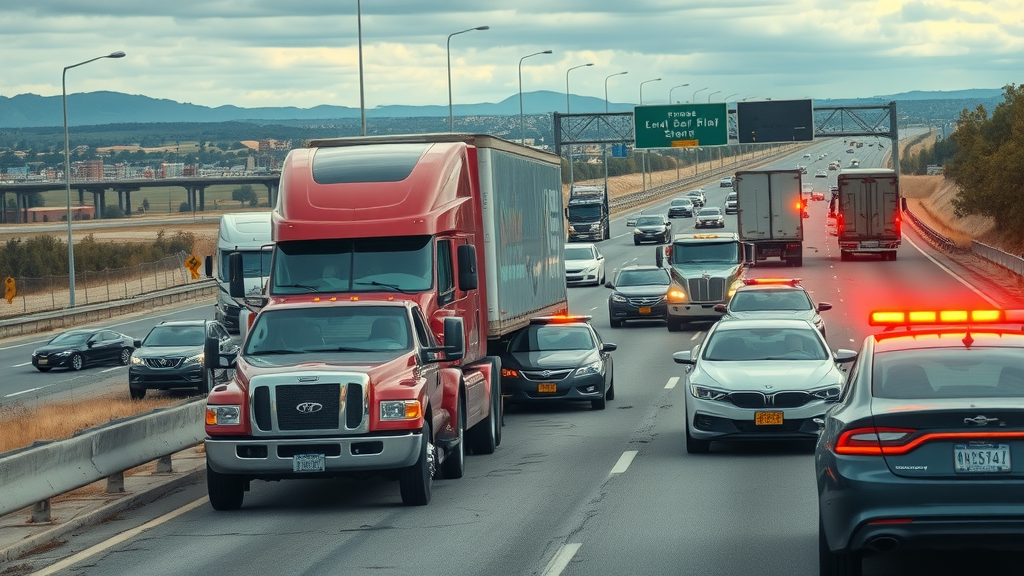
Did you know? In 2021, over 5,000 fatalities were reported in large truck crashes on U.S. highways—a number that has steadily increased year over year. The scale and severity of these highway truck accidents underscore urgent safety concerns for every driver. By understanding the unique risks large trucks present on busy highways, drivers can take proactive steps to stay safe and protect their legal rights if the unthinkable happens.
A Startling Look at Highway Truck Accidents: Why Awareness is Critical
“In 2021, over 5,000 fatalities were reported in large truck crashes on U.S. highways—a number that has steadily increased year over year.”
Statistics like these from the National Highway Traffic Safety Administration highlight the stark reality: highway truck accidents have become an increasingly pressing issue on U.S. interstates. The massive size and weight of large trucks—often 20-30 times heavier than a passenger vehicle—mean a truck crash almost always results in greater damage than a collision between smaller vehicles. For families, commuters, and professional drivers sharing the road, it’s vital to recognize the risks and identify the warning signs that can prevent accidents and save lives. This awareness not only reduces your own risk but can make roads safer for everyone.
What You’ll Learn About Highway Truck Accidents
- The primary causes behind highway truck accidents
- Common injuries and parties involved in large truck crashes
- How accident law applies uniquely to truck incidents
- Essential steps to take after a truck accident
- Prevention tips for reducing your risk around large trucks
- Frequently asked questions about truck accidents
Understanding Highway Truck Accidents and Their Impact
The Scale and Consequences of Truck Accidents
Large trucks play a vital role in transporting goods across the United States, supporting the national economy and our daily lives. Yet, their size and dynamics make them disproportionately involved in serious highway truck crashes. Data from the Federal Motor Carrier Safety Administration shows that while large trucks made up only about 4% of vehicles on the road, they were responsible for 10% of all fatal crashes involving passenger vehicles. This disparity occurs because most passenger cars and motorcycles are far less protected in a collision with a massive 18-wheeler. The consequences often extend beyond injuries, resulting in lengthy traffic delays, multi-vehicle pile-ups, and long-term emotional trauma for everyone involved. Understanding why these incidents are so catastrophic—ranging from underride collisions to the difficulty large trucks have maneuvering or stopping quickly—is essential to improving highway safety for all.

Statistics and Trends: Large Truck Crashes in the United States
The frequency and impact of large truck crashes have steadily risen over the past decade. According to the latest figures from the National Highway Traffic Safety Administration and the Federal Motor Carrier Safety Administration, there were more than 500,000 police-reported truck accidents in one recent year in the United States. Over 100,000 of these resulted in injuries, and over 5,000 ended in fatalities. When compared to non-truck collisions, highway truck accidents generally see much higher rates of severe injuries. These numbers reinforce why traffic safety advocates and federal regulators continually stress the importance of stricter regulations, improved vehicle safety technologies like underride guards, and greater awareness among both truck drivers and other road users. Additionally, the economic toll of these accidents, from property damage to lost productivity, surpasses $20 billion annually.
Annual Data of Large Truck Accidents: Fatalities, Injuries, and Comparison with Non-Truck Collisions
| Year | Large Truck Crashes | Fatalities (Large Truck) | Injuries (Large Truck) | Fatalities (Non-Truck) | Injuries (Non-Truck) |
|---|---|---|---|---|---|
| 2021 | 507,000 | 5,005 | 109,000 | 35,000 | 1,450,000 |
| 2020 | 473,000 | 4,965 | 102,000 | 33,244 | 1,347,000 |
| 2019 | 510,000 | 5,032 | 118,000 | 36,096 | 1,506,000 |
Primary Causes of Highway Truck Accidents
Driver Fatigue and Error in Truck Crashes
Of the many causes identified by the Federal Motor Carrier Safety Administration, driver fatigue ranks among the top leading factors in highway truck accidents. Truck drivers are often under immense pressure to meet delivery deadlines, resulting in extended periods on the road with little rest. Despite rules requiring rest breaks and maximum drive limits, violations remain concerningly common. Fatigue impairs reaction time, decision-making, and alertness—critical faculties for safely commanding an 80,000-pound vehicle. Tragically, even a second’s inattention due to tiredness can lead to a deadly truck crash, affecting not only the truck driver but innocent motorists and bystanders as well. Experienced truck drivers always strive for safety, but the demanding nature of the job and unrealistic employer expectations mean mistakes and lapses still happen far too frequently.

The Impact of Vehicle Maintenance on Large Truck Crashes
Another significant contributor to highway truck accidents is inadequate truck maintenance. Every commercial truck is subject to federal motor carrier safety regulations that require regular inspections of brakes, tires, lights, and other systems. Neglected components—particularly brakes and tires—can catastrophically fail at high speeds, rendering even the best truck drivers powerless to prevent disaster. Recent studies on motor carrier safety have shown that as many as 20% of trucks involved in fatal crashes had mechanical issues at the time of the incident. When maintenance falls short—sometimes due to cost-cutting by trucking companies or rushed pre-trip checks—the risk of a truck crash greatly increases, endangering everyone on the highway. Rigorous safety standards and proactive maintenance are not just legal requirements; they’re lifesaving measures.
Weather Conditions and Highway Truck Accidents
The unpredictability of weather on U.S. highways is a notorious risk factor for both drivers and trucking companies. Heavy rain, fog, snow, or ice drastically increase the likelihood of highway truck accidents by reducing traction and visibility. Large trucks need much greater stopping distances, and severe weather can make it nearly impossible for even the most skilled drivers to react in time. According to safety administration records, inclement weather is a factor in approximately 15% of all large truck crashes. For this reason, experienced truck drivers and all motorists must exercise heightened caution and slow speeds in bad conditions. Defensive driving and respect for changing road conditions are key to avoiding a fatal crash when the weather takes a turn for the worse.

Other Leading Factors in Truck Accidents
- Distracted or impaired truck drivers
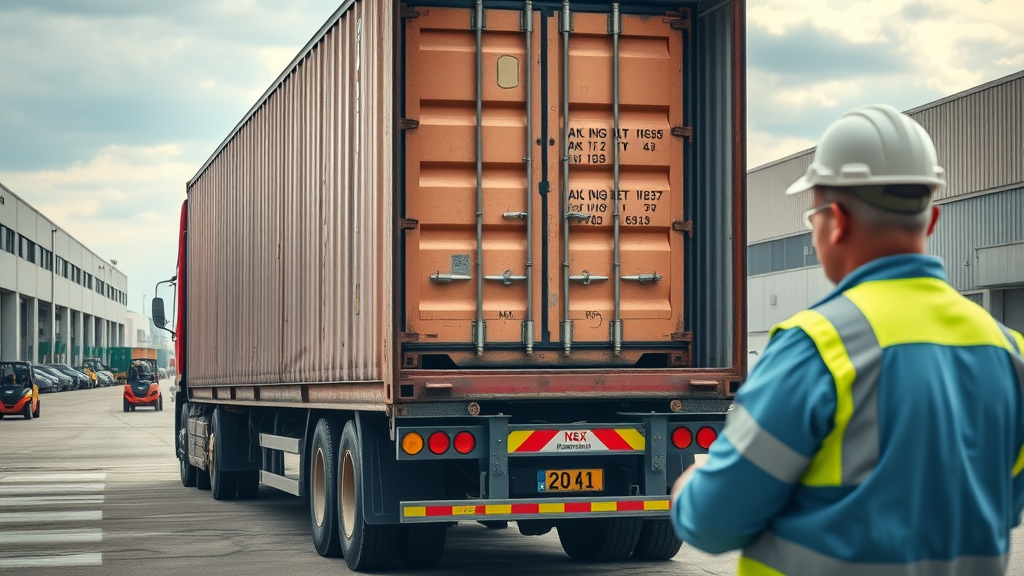
- Improper cargo loading
- Speeding and aggressive driving behaviors
Who is Involved in Highway Truck Accidents?
Truck Drivers, Passenger Vehicles, and Third Parties
Highway truck accidents regularly involve not just truck drivers and other vehicle occupants, but also pedestrians, cyclists, and roadside workers. In many large truck crashes, the brunt of injury and loss falls upon people in passenger vehicles, which are more vulnerable due to their smaller size and less protective structure. However, truck drivers can also suffer significant injuries, and multiple parties may share responsibility depending on the situation. For instance, a truck’s sudden maneuver to avoid highway debris could inadvertently put others at risk. This interconnectedness highlights the need for every party on the road to remain vigilant for hazards, maintain safe distances, and adhere to traffic safety guidelines that benefit all road users.
The Role of Trucking Companies in Large Truck Accidents
The influence of trucking companies on highway truck accidents goes beyond hiring and dispatching drivers. Companies bear direct responsibility for ensuring their fleet is safe through routine maintenance, compliance with federal regulations, and the ethical enforcement of scheduling and rest requirements. Unfortunately, some companies prioritize profit over safety, shortcutting regulations—such as mandatory rest periods or comprehensive vehicle inspections. When this happens, the risk of a truck crash skyrockets. After a serious accident, investigators often uncover patterns of negligence or ignored warnings within a company’s operations, contributing to multi-million dollar liability settlements. Holding trucking companies accountable is critical in promoting safer highways for all.

Common Injuries and Damages in Highway Truck Accidents
Catastrophic Injuries in Large Truck Crashes
The aftermath of a highway truck accident is often devastating. Victims are at high risk for life-changing injuries including traumatic brain injuries, spinal cord damage, paralysis, multiple fractures, and severe burns. The sheer force of impact and the possibility of rollover or underride events make these accidents uniquely dangerous. Recovery can mean months or years of rehabilitation, expensive surgeries, ongoing therapy, and lost income. Tragically, a significant share of large truck crashes end fatally, leaving families coping with sudden loss and mounting financial pressures. Recognizing the medical and emotional consequences of these incidents is vital for all drivers, further justifying the collective push for better safety practices.

Property Damage and Financial Impacts
While the physical and emotional injuries from truck crashes are severe, the property damage and financial costs are also immense. A large truck accident can total vehicles, destroy valuable cargo, and even harm public infrastructure such as bridges and highway barriers. Trucking companies may face millions in damages per event, and commercial insurance claims often become lengthy and contentious. For individuals and families, vehicle repair or replacement, loss of work, medical bills, and other costs can quickly escalate. The economic burden is shared not just by those involved, but, through insurance premiums and supply chain disruptions, by society at large. This underscores why strong preventative measures and prompt legal guidance after a truck crash are so important.
Highway Truck Accidents and Accident Law
Understanding Truck Accident Law in the United States
Navigating truck accident law is far more complicated than a standard car wreck. Large truck crashes invoke not just state traffic statutes, but also federal motor carrier safety rules set by the Department of Transportation and agencies like the Federal Motor Carrier Safety Administration. Determining who is at fault involves investigating the actions of the truck driver, the company, shippers, maintenance contractors, and sometimes even equipment manufacturers. Legal cases may focus on violations of hours-of-service rules, defective components, or improperly loaded cargo. Because these regulations can mean the difference between a routine claim and a multi-million-dollar lawsuit, seeking expert legal help is critical when a highway truck accident occurs.
How an Attorney Can Help With Large Truck Accident Claims
“The legal landscape following a truck crash is complex. Immediate legal counsel can greatly improve outcomes for accident victims.”
After a major truck accident, the road ahead can be overwhelming. Legal rules around evidence, liability, and insurance are multi-layered, with every stakeholder often working to minimize their own responsibility. An experienced truck accident attorney can provide critical guidance—securing police reports, preservation of data from truck black boxes, interpreting federal and state safety laws, and negotiating with insurers. The right lawyer ensures you don’t overlook damages, accept a low settlement, or miss important filing deadlines that could jeopardize your claim. Given the stakes—a family’s future health, finances, and stability—a knowledgeable legal ally is invaluable after a large truck crash.

What to Do After a Highway Truck Accident
- Ensure safety and assess injuries
- Contact emergency services promptly
- Gather information (photos, contact details, insurance)
- Seek immediate medical care
- Contact a specialized truck accident attorney
Following these steps after a highway truck accident helps protect your personal safety, creates critical evidence for your claim, and ensures your legal rights are preserved at every stage of the process.
Tips to Prevent Highway Truck Accidents
- Maintain a safe following distance from large trucks
- Avoid blind spots around trucks
- Never attempt to ‘cut off’ a truck—remember stopping distances
- Drive defensively, especially in poor weather
- Stay alert for erratic truck maneuvers or visible maintenance issues
“Awareness and defensive driving save lives around trucks. Small vehicles are at greater risk in any large truck crash.”

People Also Ask About Highway Truck Accidents
What should I do first after a highway truck accident?
Immediately ensure your safety and the safety of others at the scene. Dial emergency services, provide aid if needed, and move to a secure location. Document the scene with photos, exchange contact and insurance information, and—crucially—consult with a knowledgeable truck accident attorney to protect your rights and start building your claim.
Who is liable in a highway truck crash?
Liability in a highway truck accident can be complex and involve several parties. While the truck driver may be at fault, responsibility can also extend to the trucking company for unsafe practices, cargo loaders for improper loading, and maintenance contractors for mechanical failures. Each accident must be evaluated case by case, often with the help of legal and accident reconstruction experts.
Are truck accident claims different from car accident claims?
Yes. Truck accident claims are much more complex due to the involvement of federal regulations, larger insurance limits, the likelihood of multiple responsible parties, and more severe damages. The investigation, evidence gathering, and negotiation process are often more detailed and contentious than what’s typically involved in a standard car crash claim.
Key Takeaways: Safe Driving and Legal Protections After Highway Truck Accidents
- Highway truck accidents cause disproportionately severe injuries and damages
- Multiple parties can be liable, requiring deep investigation
- Immediate action after a truck crash is critical
- Expert legal advice is key to maximizing recovery
Conclusion: Take Proactive Steps After a Highway Truck Accident
Greater understanding of highway truck accidents, diligent prevention, and securing qualified legal support are key to protecting yourself and your loved ones.
18 Wheeler accident? Contact Experienced Attorney Ken St. Pé Today
Contact experienced attorney Ken St. Pé today for a free consultation. Call 337-534-4043 or Email kds@stpelaw-old.ztg.my.id