

Did you know over 6 million car accidents occur in the U.S. every year? Just one mistake with car accident liability can mean the difference between financial stability and losing thousands out of your own pocket. Knowing what to do—and just as importantly, what not to do—after a car accident is crucial to protecting your rights and your wallet.
Every Minute Counts: Why Car Accident Liability Mistakes Are So Common—and Costly
- Startling fact: Over 6 million car accidents occur in the U.S. annually, and one liability mistake can easily mean thousands lost due to comparative negligence or misunderstood insurance coverage.
- Learn why understanding car accident liability early can be the decisive factor in securing your financial stability after a car accident.
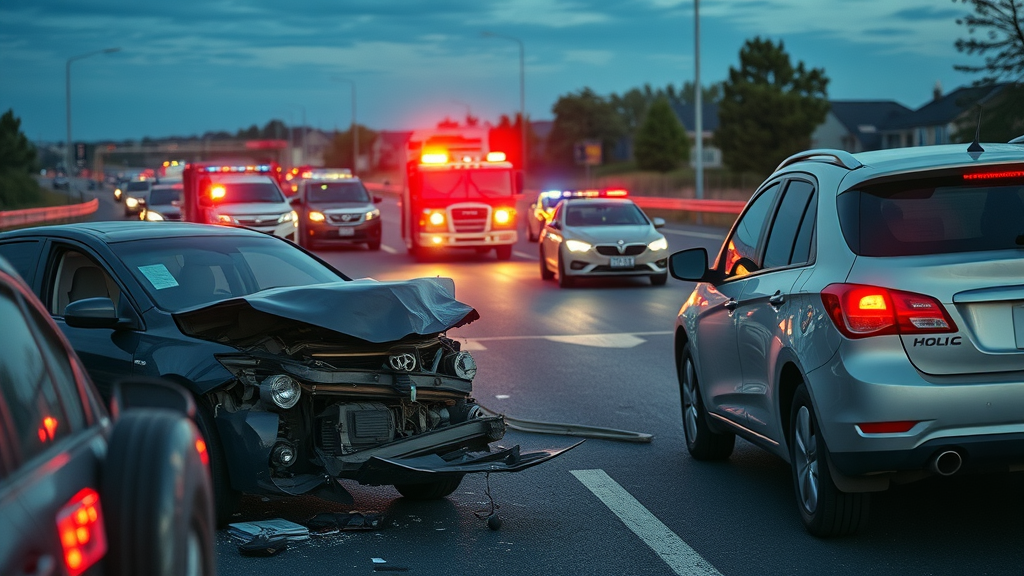
Every minute following a car accident is critical. Shock, confusion, and adrenaline can lead drivers to make errors in documentation, communication, or even their statements about the accident. These split-second decisions may have long-lasting financial consequences, especially when it comes to car accident liability. Insurance companies and the law rely on the information gathered at the scene and immediately afterward to assign fault for the accident, assess compensation, and determine who pays for property damage or bodily injury. Failing to take the proper steps—or taking the wrong ones—can quickly put you on the hook for expenses you didn’t cause, from medical bills to repairs, and even personal lawsuits. Understanding these risks and learning to avoid common liability pitfalls is vital for every driver involved in the accident.
By educating yourself now about car accident liability, insurance coverage, and the role of comparative negligence, you can proactively shield your finances and protect your legal rights. Too often, motorists mistakenly trust the system to work in their favor, but insurance companies are experts at finding ways to reduce payouts based on “who caused the accident.” That’s why this guide will arm you with the knowledge and real-world strategies needed to avoid the mistakes that cost thousands every year.
Understanding Car Accident Liability: Core Concepts for Every Driver
- Essential definitions: car accident liability, fault for the accident, and key legal terms.
- The difference between liability insurance and general insurance coverage.
Car accident liability describes who is considered legally responsible—or liable—for the damages caused in an auto accident. This encompasses both who pays for the property damage (like vehicle repairs) and any bodily injury (medical bills, lost wages, pain and suffering) that results from the crash. Assigning liability determines whose insurance company foots the bill and whether a driver may be sued. Key terms to understand include fault for the accident (who’s blamed), liable party (who pays), and insurance claim (request for compensation).
There’s a clear distinction between liability insurance and broader insurance coverage. Liability insurance is mandatory in most states and is designed to cover losses you cause to others if you’re found responsible. General coverage, such as collision or comprehensive, covers your own vehicle and situation. Misunderstanding what your policy pays—and doesn’t—can result in unpaid bills, especially if you’re not clearly at fault for the accident or if comparative negligence is in play. Knowing these core concepts gives every driver the power to navigate car accidents with confidence and protect themselves from financial disaster.
Comparison of Types of Car Accident Liability
| Type of Liability | Covers | Example |
|---|---|---|
| Bodily Injury Liability | Medical expenses, lost wages, pain and suffering | Paying another driver’s medical bills after causing the accident |
| Property Damage Liability | Vehicle repairs, damage to objects (mailbox, fence) | Fixing another car’s bumper if you rear-end them |
| Comparative Negligence | Shared responsibility among drivers | Both drivers run a red light and share fault for the accident |
| Strict Liability | Liability regardless of intent or negligence (rare in car accidents) | Cases involving vehicle defects |
Car Accidents and the Law: How Traffic Laws Determine Car Accident Liability
- Role of local and state traffic laws in assigning fault for the accident.
- Impact of police reports and police report details on your case.

Fault for the accident is almost always assigned based on violations of local and state traffic laws. Did someone run a red light? Fail to yield? Text while driving? These are key questions that law enforcement and insurance companies investigate when reviewing a car accident. Every motor vehicle collision is scrutinized to determine which party—if not both—broke the law and whether those violations directly led to the crash. Even a seemingly insignificant detail can impact the assignment of liability, which in turn can drastically alter your legal and financial outcome.
A police report is the foundational document that lays out who the responding officer believes is at fault for the accident and why. These reports record things like witness statements, weather conditions, road signage, and potential violations of traffic laws. Insurance companies rely heavily on police reports for their liability decisions, and any error or omission in these details can cost you. Always request a copy, review it thoroughly, and correct any inaccuracies as soon as possible. This documentation is a critical lever in protecting yourself from being unfairly blamed—or paying for—a car accident you didn’t cause.
Insurance Coverage and Liability Insurance: What Every Motor Vehicle Owner Must Know
- What liability insurance covers after a car accident; importance of insurance company documentation.
- Key elements of insurance coverage: bodily injury, property damage, and filing an injury claim.
- How insurance companies use police reports to assess comparative negligence.
Liability insurance is designed to cover the costs you’re legally responsible for after a car accident—namely, property damage and bodily injury suffered by others. If you caused the accident, your policy pays (up to its limits) for the other party’s expenses. But if you’re not at fault, you’ll seek compensation through the other driver’s insurance coverage. To file a proper injury claim, it’s critical to document the accident scene, your injuries, and any communications with your insurance company. Providing thorough, consistent evidence is your best defense against a denied claim or lowball settlement.
Insurance companies interpret police reports through the lens of comparative negligence, which means that fault—and responsibility for covering losses—can be split between multiple parties. For example, if the police report finds you 20% at fault for the accident, your compensation could be reduced by that amount. This complex evaluation also takes into account the specific terms and limits of your insurance coverage. Many claimants are shocked to learn that even a small error in documentation or reporting can leave thousands of dollars’ worth of medical bills and car repairs unpaid. Always keep detailed records and file all required paperwork promptly to protect your claim and coverage.
Personal Injury After a Car Accident: The Link to Car Accident Liability
- When a personal injury becomes a liability issue.
- How bodily injury claims affect insurance coverage and settlement outcomes.
The moment a personal injury occurs in a car accident—whether it’s whiplash, broken bones, or something more serious—car accident liability instantly increases in complexity. If you or another driver require medical attention, determining who is responsible for medical bills, lost income, and even long-term care is tied directly to liability findings. Not only does the at-fault party’s liability insurance become critical, but your own underinsured or uninsured motorist coverage may come into play, especially if the responsible driver’s policy limits are too low to cover medical expenses.
Filing a bodily injury claim requires a clear connection between the accident and the injuries reported. Insurance companies and legal teams will dig deep into medical records, police reports, and the timeline of treatment. Accepting a quick settlement or admitting fault can harm your case, limit your future compensation, and even hinder any subsequent personal injury claim. Always consult a medical professional and keep meticulous records of all symptoms, treatments, and expenses, since these will play a pivotal role in your accident settlement and potential lawsuit.
Comparative Negligence: The Main Reason One Mistake Can Cost You Thousands
- What comparative negligence means for your car accident liability.
- Examples showing how a single error can reduce your compensation or increase your costs.
“In comparative negligence states, every percent of fault you share can directly reduce your settlement value.” – Ken St. Pé, Attorney
Comparative negligence is a legal principle stating that if you share fault for the accident, your compensation is reduced by your percentage of blame. For example, if you are found 25% at fault for causing the accident because you were speeding—even though the other driver ran a red light—your award is cut by 25%. This system is designed to allocate damages fairly but can devastate your settlement amount if you make seemingly minor mistakes in documentation, statements to police, or admissions of fault.
A single slip—like admitting you “didn’t see the other driver” or forgetting to contest a mistakenly assigned traffic violation in the police report—can add significant comparative negligence to your case. This one mistake might turn a $20,000 injury claim into a $10,000 payout, or even reassign the majority of medical bills to you. Understanding the way comparative negligence works is essential for anyone involved in an auto accident, as it remains the most common way claimants lose thousands in deserved compensation.
Police Reports and Car Accident Liability: Why Details Matter
- Common mistakes in police reporting that could harm your case.
- How to review and correct errors in police reports quickly to protect your liability position.
Police reports are vital evidence in assigning fault for the accident and can make or break your car accident liability case. However, errors are surprisingly common—drivers’ names misspelled, locations incorrectly noted, or circumstances misinterpreted. If an officer inadvertently records a wrong detail, such as who was at the wheel, or marks the wrong traffic law as violated, these mistakes may become part of the “official record” that insurance companies and attorneys rely on.
Immediately after obtaining a copy of the police report, review it line by line. Check names, vehicles, accident times, weather, and the narrative description. If you spot errors or missing facts, file an amendment with the police department as soon as possible. Quick action protects your liability position, helps avoid undue assignment of comparative negligence, and keeps your options open for a personal injury claim or property damage compensation. Never trust that a mistake will be “cleared up later”; insurance companies rarely correct errors in your favor without robust proof.
Key Steps to Take Immediately After a Car Accident to Protect Your Liability Rights
- Secure the scene and call emergency services.
- Document everything (photos, injuries, police report number).
- Notify your insurance company promptly.
- Gather witness information.
- Do not admit fault for the accident.

Your actions during the minutes and hours after a car accident form the backbone of your car accident liability defense. First, make the scene safe by moving out of traffic if possible and calling emergency services. Next, document absolutely everything: take wide and close-up photos of every vehicle involved, road conditions, traffic signs, and visible injuries. Write down or take a smartphone photo of the police report number, as you’ll need this when dealing with your insurance company later.
It’s equally important to exchange contact information with all parties involved—other drivers, passengers, and especially eyewitnesses. Within 24 hours, notify your own insurance company to start the claims process. However, do not speculate about who caused the accident or admit fault, even informally, as such statements can be used against you by both insurers and courts. Each step you take is an opportunity to strengthen your case and avoid pitfalls that lead to unfair blame or financial loss.
Dealing With Property Damage and Bodily Injury: Managing Your Car Accident Liability
- Understanding how property damage and bodily injury relate to insurance claims and personal injury lawsuits.
- Strategies to avoid being unfairly assigned fault for property damage.
Property damage and bodily injury are two core elements of most car accident claims. Insurance companies evaluate these damages separately, often using police reports and photographs as primary evidence. When seeking compensation, it’s crucial to submit all supporting documents—repair estimates, photos, medical records, and police report details—to ensure your case is assessed accurately and fairly. Failing to do so may delay or reduce your payout.
To avoid being unfairly blamed for damage you didn’t cause, be thorough. Immediately photograph your vehicle from multiple angles, document any pre-existing damage, and get independent repair estimates in addition to those provided by the insurance company. Keep records of doctor’s visits and treatment related to the injury claim. This documentation not only speeds up your claim but also protects you if the other party later disputes the origin or cost of damages. If the settlement process becomes contentious, seek advice from an experienced accident attorney to safeguard your liability position and pursue full compensation.
Insurance Companies and Injury Claims: Avoiding Pitfalls That Could Jeopardize Your Car Accident Liability Case
- How to communicate with your insurance company after a car accident.
- Why honesty and accuracy in your injury claim is essential.
Many drivers make the costly mistake of downplaying their injuries or being vague when speaking with their insurance company. Always be honest, clear, and consistent. Provide concrete details and supporting documentation, and avoid exaggeration or speculation. If you’re unsure about a question, say so—guessing can result in information that conflicts with later evidence, and insurers may use inconsistencies to deny your injury claim entirely.
Insurance companies are trained to minimize payouts and search for reasons to deny claims. To avoid falling into traps that can threaten your car accident liability case, document all interactions with your insurer. If you believe you’re being treated unfairly or pressured to accept an inadequate settlement, consult an experienced personal injury attorney. Remember, anything you say—especially admissions of fault or minimization of your damages—can and will be used during settlement negotiations or in court.
Car Accident Liability for Motor Vehicle Owners: Special Considerations and State Differences
- Overview of state variations in car accident liability law (no-fault vs. at-fault states).
- How these differences can dramatically affect your case outcome.
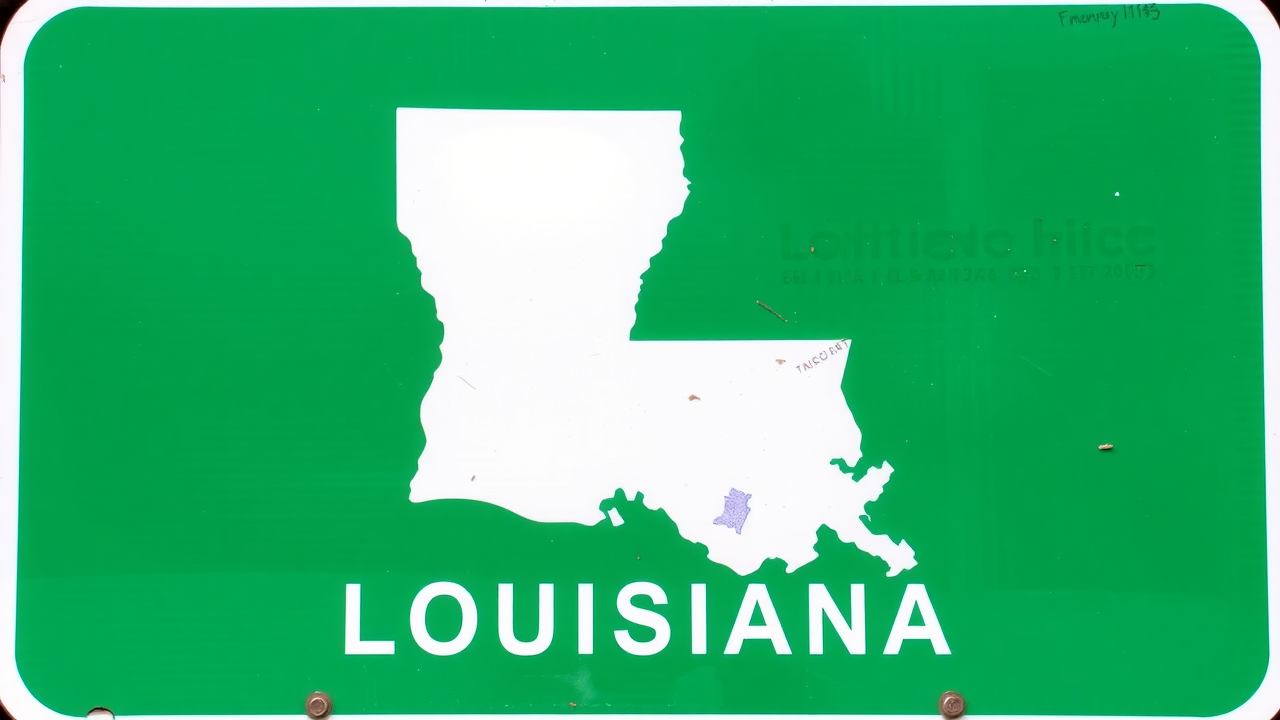
Car accident liability laws are not uniform across the United States. States operate under at-fault or no-fault systems, dramatically affecting how medical costs, property damage, and settlements are handled. In at-fault states, the driver responsible for the accident pays for all damages, while in no-fault states, each driver relies on their own insurance coverage for personal injury (except in cases of severe injuries).
This state-by-state variance impacts things like who can file an injury claim, how comparative negligence is calculated, and even what evidence is required in court. Moving across state borders with different insurance requirements or legal standards can easily result in misunderstandings and denied compensation. Before driving in another state or making major insurance decisions, familiarize yourself with the local laws—one gap in coverage or error in assumption can cost thousands if you are involved in the accident.
Common Mistakes That Harm Your Car Accident Liability Case—and How to Avoid Them
- Not collecting enough evidence at the scene
- Delaying the police report
- Ignoring deadlines for filing an injury claim
- Admitting fault for the accident on record
- Failing to review your insurance coverage details
“Simple mistakes—like not checking your police report—can mean you’re unfairly blamed for a car accident you didn’t cause.” – Legal Expert
It’s astonishing how often car accident claimants are hampered—not by complex legal maneuvers—but by simple oversights. Failing to take photos, neglecting to file a timely police report, or overlooking policy fine print are among the most common and costly mistakes. Waiting too long to file an injury claim or admitting fault on a recorded call with your insurance company can turn an otherwise winnable case into a financial nightmare. This is especially true in cases involving comparative negligence, where every minor error can reduce your compensation drastically.
The solution is preparedness and vigilance: have a checklist of what to do (and not do) after an accident, review all insurance documentation regularly, and scrutinize police reports for accuracy. Consulting with an accident attorney or personal injury attorney can also identify and correct mistakes before they snowball into missed claims or legal liability for damages you did not cause.
Critical Documents for Car Accident Liability: What You Need to Keep
- Police reports, insurance coverage documents, medical records of bodily injury, photos of property damage, and witness statements.
Car Accident Liability: Critical Paperwork Checklist
| Document | Why It’s Important |
|---|---|
| Police Report | Primary record of facts and fault for the accident, referenced by insurers |
| Insurance Policy Documents | Proof of coverage limits, exclusions, and claims process details |
| Medical Records | Establishes the timeline and severity of bodily injury related to the crash |
| Photos of Property Damage | Visual evidence supporting your injury claim and vehicle repair estimates |
| Witness Statements | Helps counter disputed facts and reduce unfair assignment of fault |

Maintaining a well-organized file with all relevant paperwork streamlines negotiations with insurance companies and supports your legal case if a lawsuit arises. Make digital backups, keep originals safe, and never discard anything until your claim is completely settled. Failure to produce required documents is a leading reason for claim denial, especially in disputes over comparative negligence or the extent of bodily injury and property damage.
Understanding Your Rights in a Car Accident: When to Consult a Personal Injury Attorney
- How a personal injury attorney can clarify complex car accident liability issues and increase your compensation.
- When legal representation is necessary to challenge comparative negligence assignments or denied insurance claims.

Car accident liability cases can become incredibly complicated, especially when multiple parties are involved, injuries are severe, or insurance companies contest fault for the accident. Consulting a personal injury attorney early can clarify your rights and boost your chances of receiving fair compensation. Experienced legal counsel knows how to counter insurance company strategies, dispute unfair comparative negligence designations, and uncover missing evidence that can exonerate you or maximize your payout.
Representation is crucial if your claim is denied, if the insurer assigns you greater blame than warranted, or if settlement talks stall. An experienced personal injury attorney will handle communications, negotiate legal and medical bills, and, if necessary, represent you in court. Don’t wait until you’ve lost your case; legal help is your best safeguard against mistakes that result in long-term financial losses or a missed opportunity for justice.
- Watch a short walkthrough of practical tips immediately after a car accident.
See real-time demonstrations of evidence collection, what to photograph, and how to interact with other drivers, police, and witnesses to defend your car accident liability from the start.
People Also Ask: What does liability cover in a car accident?
- Liability covers the costs associated with property damage and bodily injury that you are legally responsible for after a car accident. It can also pay for legal defense if you are sued.
People Also Ask: What does it mean if I am liable for a car accident?
- Being liable means you are considered legally at fault for the accident, and your liability insurance will be used to pay for damages and injuries caused to others.
People Also Ask: How does insurance work when it’s not your fault?
- If you are not at fault in a car accident, the other driver’s liability insurance should cover your damages. Your insurer may help recover costs through a process called subrogation.
Frequently Asked Questions on Car Accident Liability
- How long do I have to file a personal injury claim after a car accident?
Deadlines vary by state but can be as short as one year. File your claim as soon as possible after a car accident to protect your rights and avoid being barred from compensation. - Should I talk to the other driver’s insurance company?
Speak cautiously. Provide only basic details; do not admit fault or discuss injuries until you’ve consulted with your own insurance company or an attorney. - What if both drivers share fault?
In comparative negligence states, compensation is reduced according to the percentage of fault each driver holds, making accurate reporting and documentation essential. - Can I recover losses for pain and suffering?
Yes, if you’ve suffered bodily injury due to another’s negligence, you may claim compensation for physical pain, emotional distress, and reduced quality of life, subject to state laws. - What happens if the liable driver doesn’t have insurance?
Your own uninsured/underinsured motorist coverage may pay for your damages, or you may pursue the at-fault party personally in court—though recovery is often more difficult. - Expert video breakdown explaining the evaluation of comparative negligence and insurance coverage after car accidents.
Understand the behind-the-scenes strategies insurers use to assess fault and payout levels in car accident liability cases.
- Short animated stories showing how a single missed detail in documentation or insurance coverage cost claimants thousands.
Real-world scenarios reveal what happened when victims overlooked details or misunderstood how their auto insurance worked after an accident.
Car Accident Liability: The Three Biggest Takeaways for Drivers
- Always know what your liability insurance covers.
- One misstep in assigning fault or handling police reports can drastically change your financial outcome.
- Timely consultation with a personal injury attorney is often the best safeguard against costly errors.
Safeguarding Your Future: Steps to Ensure You Never Lose Out Due to a Car Accident Liability Mistake
- Practical summary of actions to protect yourself and your loved ones from liability pitfalls after car accidents.
“Liability mistakes aren’t just paperwork errors—they’re financial disasters waiting to happen. Be informed, stay vigilant, and protect your rights.” – Ken St. Pé, Attorney
Take proactive measures by reviewing your insurance policies yearly, learning local traffic laws, and creating a glovebox checklist for necessary steps and paperwork after a car accident. Share this knowledge with friends and family so everyone is prepared, reducing the risk of financial loss after a crash.
Need Help With Car Accident Liability?
- Been in a car accident? Contact experienced attorney Ken St. Pé today for a free consultation. Call 337-534-4043 or Email kds@stpelaw.com.
What You’ll Learn About Car Accident Liability
- The essential legal principles behind car accident liability
- How insurance coverage works for different types of losses
- Steps to avoid liability mistakes after an accident
- When to call a personal injury attorney
Act now—review your policies, know your rights, and never underestimate the devastation one simple mistake in car accident liability can cause. When in doubt, seek the support of an experienced personal injury attorney to protect your best interests.