

Did you know that every day, over 3,700 people lose their lives globally in road traffic crashes—most of them entirely preventable? This staggering number highlights an urgent reality: car accident prevention isn’t just a good idea; it’s a vital necessity. As cities bustle with activity, from Lafayette to New Orleans and beyond, the quest for safer roads demands our immediate attention. In this article, we’ll unveil the transformative power of technology, examine the critical role of personal responsibility, and empower you with actionable strategies to keep yourself—and others—safe behind the wheel.
If you think of car accident prevention as something beyond your control, prepare to challenge that perspective. You’ll discover expert-backed tips, breakthrough tech like red light cameras, and inspiring examples where real change is already underway. The magic of safer roads isn’t imaginary. It starts with you, right now.

Startling Truths Behind Car Accident Prevention: Why It Matters Now More Than Ever
Car accident prevention is not just a buzzword—it’s a matter of life and death. Consider this: global statistics reveal that road traffic incidents are the leading cause of death for young people between ages 5 and 29. These numbers aren’t just statistics; they represent real families, lives interrupted, and futures changed forever. With urban environments growing denser and vehicle technology advancing rapidly, the need for proactive accident prevention is more pressing than ever.
The consequences of neglecting car accident prevention ripple far beyond minor injuries. Every traffic incident not only disrupts lives, but also burdens emergency services with full dispatch, impacts community resources in cities like Baton Rouge, and results in lane reductions that cause massive traffic delays. Moreover, financial strains from injuries, insurance claims, and repairs add up, costing billions globally each year. When you consider these cascading effects, it’s easy to see why experts and police departments worldwide are sounding the alarm. From minor fender-benders reported on a Saturday morning to multi-unit responses for a major scene report, every avoided accident is a victory for public safety and well-being.
“Every day, over 3,700 people are killed globally in road traffic crashes—most of which are preventable through proactive car accident prevention.”
Understanding the Fundamentals of Car Accident Prevention
Genuine car accident prevention is rooted in three key pillars: informed driver behavior, technological intervention, and systematic traffic control. Each plays a crucial role in making roads safer. Informed drivers understand the hazardous consequences of distractions, speeding, and fatigue—elements at the core of nearly every traffic incident. Meanwhile, the integration of technology, such as speed cameras and real-time traffic alerts, ensures safer environments even when human error or moderate heatrisk threatens to undermine safety.
Traffic management strategies—like lane reductions, stoplight timing, and improved traffic control—further reinforce the framework of prevention. These coordinated efforts reduce the risk of mishaps, especially in areas with increased vehicle activity or ongoing urban developments. Places like Lafayette have seen significant improvements where these fundamentals are prioritized. Ultimately, car accident prevention succeeds when these elements work seamlessly together, transforming chaotic streets into predictable, safer roadways for all.
Comparing Key Car Accident Prevention Strategies: Impact, Cost, and Adoption Rates
| Prevention Strategy | Impact on Safety | Average Cost | Adoption Rate (%) |
|---|---|---|---|
| Speed Cameras | High – reduce speed-related crashes by 30-40% | Moderate | 65 |
| Defensive Driving Courses | Moderate – enhances driver awareness and skills | Low – Medium | 40 |
| Strict Traffic Control Measures | High – lowers accident risk at busy intersections | High | 50 |
| Vehicle Maintenance | Moderate – reduces mechanical failure accidents | Variable | 60 |
| Public Awareness Campaigns | Low – raises awareness, but relies on voluntary action | Low | 30 |
How Speed Cameras and Traffic Technology are Transforming Car Accident Prevention
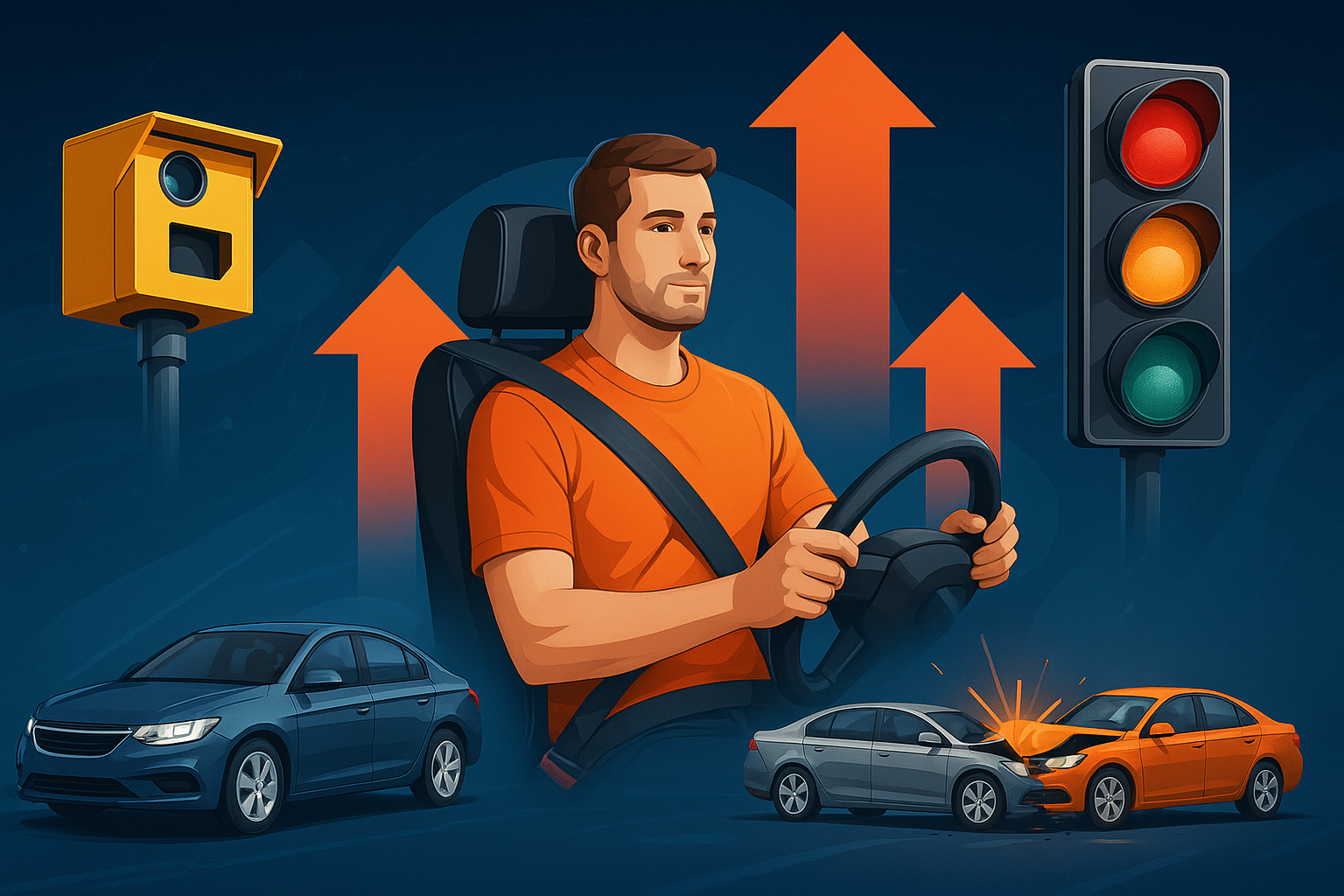
For decades, law enforcement and city planners have sought effective methods to curb speeding—a leading cause of fatal car accidents. Enter the era of speed cameras and traffic light technology. These devices are more than a watchful eye; they’re an active deterrent, nudging motorists to respect speed limits and maintain safe driving practices. In fact, units dispatched to enforce road safety are seeing reduced workloads as automated systems take on the bulk of monitoring duties, especially during peak traffic periods.
But it doesn’t end with speed cameras alone. Integrated technology—ranging from digital traffic signals to AI-powered scene detection—provides instant alerts to both drivers and authorities. When a reported fire disrupts local roads or full dispatch is required, traffic technology can quickly redirect vehicles and issues real-time updates. This minimizes the risk of subsequent accidents stemming from confusion or last-minute maneuvers. In a world where forward progress in safety hinges on adaptability, embracing innovation is a cornerstone of contemporary car accident prevention.
The Effectiveness of Speed Cameras in Reducing Collisions
Speed camera data paints a compelling picture: areas equipped with these devices commonly see a 30-40% reduction in speed-related collisions. Why such dramatic improvement? The constant presence of speed cameras serves as a behavioral cue, reminding drivers that reckless decisions can have quick repercussions—both legal and personal. Studies from metro hubsreveal not only fewer accidents but also reductions in traffic fatalities and moderate heatrisk exposure during high-risk times.
What’s more, speed cameras relieve pressure on police departments. Rather than dedicating countless units at scene reports for minor traffic incidents, law enforcement streamlines their focus on emergency situations like major vegetation fires and wildland dispatch. This technological partnership allows for more efficient use of community resources—proving that smart devices aren’t just convenience, but a true ally in car accident prevention.
Current Status: Where Are Speed Cameras Used In Louisiana?
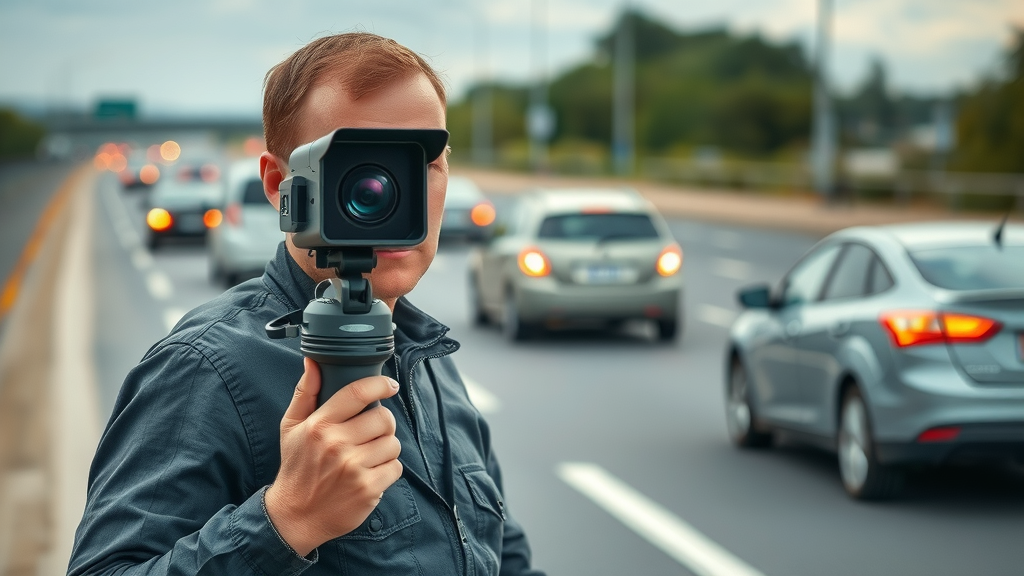
1. Atchafalaya Basin Bridge
- Starting in 2022, automated speed enforcement cameras were installed along the 18-mile Atchafalaya Basin Bridge to enhance safety. These cameras issue hefty fines—up to $350 for a first offense, and up to $1,000 for repeat violations—prompting public backlash over the fees. trackbill.com+12The Sun+12News Radio 710 KEEL+12
2. Opelousas (Exception)
- Under Senate Bill 99, the state generally limits speed camera use to school zones only. However, Opelousas received a legislative carve‑out allowing it to continue operating speed cameras beyond that scope. Land Line Media+2Louisiana Illuminator+2
3. School Zones Across Louisiana
- As of August 1, 2025, a new law restricts the use of automated speed enforcement cameras strictly to school zones, and only when zones meet the following conditions:
- Must operate during limited times (e.g., one hour before and one hour after school).
- Requires proper signage and a Cooperative Endeavor Agreement (CEA) with school authorities, plus administrative appeal procedures and fine‑sharing protocols. CT Insider+13Legislature of Louisiana+13trackbill.com+13The Sun+5The Sun+5https://www.fox8live.com+5
- New Orleans had previously used speed cameras in school zones but had to deactivate all speed cameras citywide on August 1 due to not meeting the new legal requirements. Red‑light cameras remain operational. Wikipedia+8WWL-TV+8https://www.fox8live.com+8
- In Shreveport, speed camera enforcement in school zones has resumed, backed by visible markings, signage, and fines starting at $150, with penalties increasing based on speed. https://www.fox8live.com+10https://www.ksla.com+10News Radio 710 KEEL+10
4. West Baton Rouge Parish (Unauthorized Program)
- In 2024, a local constable launched a speed camera program near a school zone without the required legal framework. Over two weeks, it generated around $600,000 in fines, issuing ~4,000 tickets. The program was deemed illegitimate, and the constable resigned.
Real-World Examples: Cities Where Speed Cameras Made a Difference
The impact of speed cameras is perhaps most evident in real-world success stories. In some of the largest cities, certain high-risk zones saw a reported 34% drop in collisions within just one year of implementing automated speed enforcement. Similarly, other areas experienced a marked decline in both major and minor injuries, reducing strain on local hospitals and emergency response teams. Where once units dispatched to accident scenes were routine, today they’re less frequent—an outcome attributed to vigilant technology use and robust community education.
But the story doesn’t stop with large cities. Smaller communities have also benefitted from careful placement of speed cameras. Detailed reports highlight improved forward progress on accident reduction, coupled with greater compliance rates for speed limits. These communities report not just improved safety metrics, but a renewed sense of control and security—a testament to what’s possible when prevention becomes a shared priority.
The Role of Driver Behavior in Successful Car Accident Prevention
While technology is a game-changer, it can only do so much without active participation from motorists. Every journey starts with a personal commitment. Driver responsibility is the linchpin of successful car accident prevention, as even the most advanced system can’t correct for risky choices or distracted behaviors behind the wheel. Reports from both major cities and rural routesconsistently show that good progress on the road hinges on education and awareness—qualities that technology alone cannot supply.
Consider the daily commute: even a short time spent texting or adjusting controls can be enough to cause a devastating traffic incident. Data from scene reportsreveals that inattention and fatigue account for nearly half of collisions—most classified as preventable. By fostering safe driving habits, we not only protect ourselves from minor injuries and property damage but support a wider culture of mutual respect and care on the road.
- Always wear your seatbelt—no exceptions.
- Keep both hands on the wheel and eyes on the road at all times.
- Obey speed limits and adapt to weather and traffic conditions.
- Avoid distractions, from cell phones to digital dashboard controls.
- Stay sober and alert; never drive under the influence.
- Be patient and courteous, yielding when needed and signaling your intentions.
“Car accident prevention starts with personal responsibility behind the wheel.”
What You’ll Gain from Effective Car Accident Prevention Efforts
Prioritizing car accident prevention pays off in ways that transcend statistics. Beyond lives saved, comprehensive safety strategies deliver tangible everyday benefits to individuals and communities. When accident rates fall, emergency response resources are freed up for critical needs—like full wildland dispatch or tackling reported vegetation fires—rather than routine traffic accidents. This enables better management of unforeseen disasters, stronger public health systems, and overall community resilience.
Moreover, the reduction in accidents translates into measurable financial relief. Less money spent on medical care, vehicle repairs, attorneys and insurance premiums directly benefits families and local economies. There is also a powerful peace of mind that settles in when roads feel predictable and well-managed; parents can send their kids to school, commuters can travel stress-free, and visitors feel welcome. Ultimately, the widespread adoption of car accident prevention strategies cultivates trust, stability, and a stronger sense of communal well-being—unlocking a brighter, safer future for everyone.
- Reduced injury rates
- Less financial burden
- Increased road safety
- Peace of mind

Frequently Asked Questions on Car Accident Prevention
How do speed cameras contribute to car accident prevention?
Speed cameras automatically monitor and enforce speed limits in high-risk areas, reducing the occurrence of dangerous speeding. Their visible presence encourages drivers to obey traffic laws, significantly lowering the rate of collisions, especially in urban zones and places with a history of traffic incidents. By automating enforcement, speed cameras supplement police department efforts and quickly address speed-related infractions, making roads safer for all—whether you’re traveling northbound through urban centers or rural communities.
What personal steps can I take for car accident prevention?
Every driver has the power to make a difference through deliberate habits. Simple actions—like buckling up, keeping distractions at bay, respecting speed limits, and maintaining your vehicle—are foundational. Staying alert to current road conditions, new traffic laws, or even moderate heatrisk advisories is equally important. By consistently practicing these steps, you not only reduce your own risk of minor injuries but also help minimize unit deployments, ensuring resources remain available for emergencies like full wildland dispatch or reported vegetation fires.
Does technology ensure complete car accident prevention?
While technology such as speed cameras, AI scene detection, and smart traffic control significantly reduce accident risk, they are not a guarantee of total safety. The unpredictable nature of human behavior and unexpected environmental factors—fire, severe weather, or a sudden traffic incident—mean that responsibility still rests with every individual. Instead, the most effective prevention strategy combines advanced technology with personal vigilance and responsible decision-making on the road.
Key Expert Tips and Resources to Advance Your Car Accident Prevention Strategy
Moving from awareness to action requires tangible steps, and fortunately, there’s no shortage of expert backing for a proactive car accident prevention strategy. Enrolling in defensive driving courses will deepen your knowledge of everyday hazards and sharpen your reaction skills. Regular vehicle maintenance—checking brakes, tires, lights, and fluids—helps prevent mechanical failures known to trigger traffic incidents or require multi-unit response. Staying informed about changing traffic laws and local hazard advisories, such as moderate heatrisk or reported vegetation fires, ensures you’re always prepared, no matter where your journey leads.
Communities that demonstrate good progress in prevention often do so thanks to resourceful drivers, supportive police departments, and ongoing educational campaigns. Sharing these resources within your network multiplies their value, turning simple steps into a collective force for safety and well-being. Remember, prevention pays the best interest, saving lives and preserving community vitality for years to come.
- Enroll in defensive driving courses
- Regularly maintain your vehicle
- Stay alert to changing traffic laws and road conditions

Reflections: Why Car Accident Prevention Should Be Everyone’s Priority
Perhaps the greatest magic of car accident prevention is the gift of time—more moments with loved ones, greater freedom, and stronger communities. Every accident spared is a ripple of positive change, supporting everything from public health to economic revival. Regardless of where you drive or the circumstances you face—be it moderate heatrisk, wildland dispatch, or daily commutes—embracing car accident prevention means investing in a safer world. As units at scene dwindle in number and emergency resources are reserved for the truly urgent, everyone benefits when prevention becomes a way of life.
“Prevention pays the best interest—because every life saved is a victory.”
Final Thoughts: Join the Movement for Comprehensive Car Accident Prevention Today
Together, let’s choose the path of vigilance, responsibility, and community. Start today—adopt one new safety habit and share your commitment, because every action matters in the movement for comprehensive car accident prevention.