Every year, over 38,000 people die in car crashes in the United States—and research shows that many of these lives could have been saved with faster emergency response. Picture a loved one trapped in a vehicle, fate hanging in the balance, as seconds tick by. When a life-threatening crash happens, the actions taken in those first few minutes can mean the difference between life and death. In this article, you’ll discover the urgent need for swift car accident emergency response, real-life stories, the latest technologies, expert perspectives, and simple steps every community member can take to become part of the solution.
What You’ll Learn
- The critical role of rapid car accident emergency response
- How state protocols and state police impact fatal crash outcomes
- Essential tips for bystanders and drivers to aid emergency responders
- Technological breakthroughs in crash detection and rescue
- Expert and first responder insights on saving lives
Why Car Accident Emergency Response Deserves Urgent Attention
- Each year, over 38,000 people die in car crashes in the United States, with delayed emergency response frequently cited as a contributing factor. This stark number illustrates the high stakes involved and the critical nature of timely intervention.
“Seconds count after a crash. The difference between immediate action and hesitation can determine a family’s entire future.” – Emergency Medical Services Director
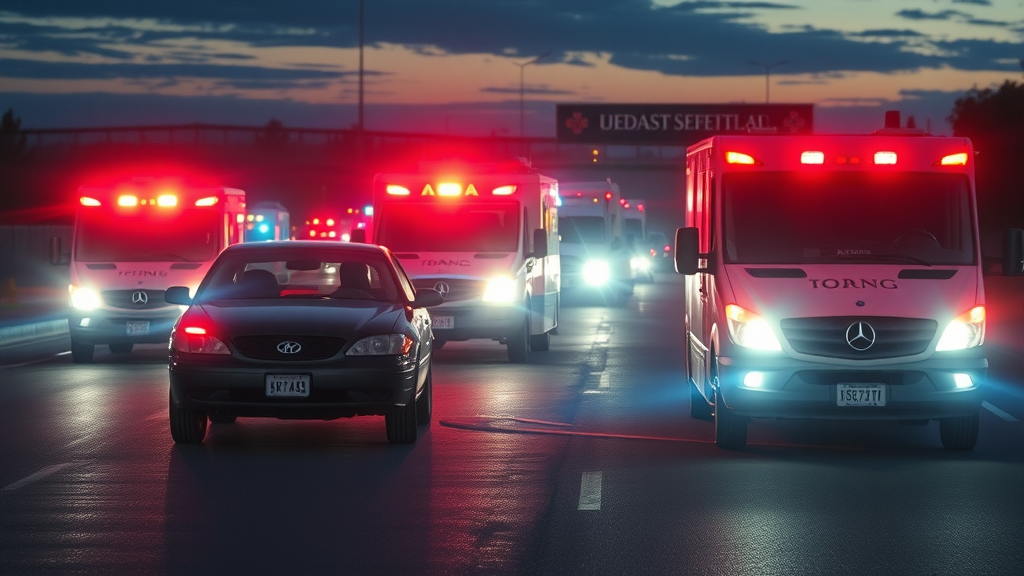
The urgency of car accident emergency response cannot be overstated. As the statistics indicate, time lost is often life lost. A delayed emergency vehicle or a moment’s hesitation in calling for help can set off a tragic chain of events. This matter hits close to home across all communities, especially in states like Louisiana where stretches of rural highway, severe weather, and diverse terrain can further complicate rescue operations. Every second shaved off a response time increases the chances for survival and reduces the severity of injuries during a fatal crash event. The call to act fast is not just a procedural guideline for state police, fire departments, and EMS—it’s a rallying cry for everyone on the road.
Realizing just how high the stakes are, we have a moral obligation to support emergency responders and be prepared ourselves. Whether you’re a driver, a bystander, or just someone who cares about your community, understanding the steps involved in an emergency, and advocating for improved response systems, can save form future loss in ways both large and small. Effective car accident emergency response is more than just a bureaucratic process—it’s the beating heart of our public safety promise.
What Is Car Accident Emergency Response?
- Defining car accident emergency response
Core steps and protocols involved - Typical sequence of events after 911 is called at a crash scene
Car accident emergency response refers to the set of immediate, coordinated actions taken by first responders—including state police, EMS, and fire department teams—when a crash occurs. The goal is straightforward but critical: to rescue survivors, minimize injury, and prevent fatalities. The protocols begin with triage, damage evaluation, securing the scene, and providing medical care often within minutes of the crash. When you dial 911 after a collision, your call triggers a cascade of rapid deployment: dispatchers notify police, ambulances, and sometimes tow trucks, setting a well-practiced plan in motion.
The typical sequence starts when bystanders or drivers report the accident. Emergency dispatch gathers vital information—location, number of vehicles (such as a pickup truck or dump truck), potential hazards (like fuel leaks, fire risk, or black bear sightings), and the number of injured. State police or the nearest law enforcement agency arrives first to secure the site, direct traffic, and start saving measures. They work seamlessly alongside EMS, fire department crews, and sometimes air ambulances in high-severity cases or rural Louisiana stretches. Coordination between these agencies is key to reducing the time between crash and care, directly impacting patient outcomes and fatality statistics.
The Critical Impact of Fast Car Accident Emergency Response
- Reducing fatalities: Key stats comparing rapid vs delayed medical intervention in fatal crash scenarios
- How trained first responders, including state police and medical care teams, work together to save lives
“Early, coordinated emergency response saves lives and reduces trauma severity—every minute truly matters.” — Dr. Amy Trenton, Trauma Surgeon
The difference between survival and tragedy in a fatal crash often comes down to minutes. Studies consistently show that when medical care is provided within the golden hour, the chances of someone surviving a severe crash increase exponentially. According to the CDC, if emergency medical responders reach accident victims in under four minutes, the fatality rate drops to just 8%. By contrast, delays beyond eight minutes can nearly quadruple that risk. Teamwork between state police, paramedics, and often fire department crews creates a synchronized response, with everyone playing a vital role—securing the scene, performing triage, and launching life-saving measures.
Emergency responders are highly trained to act under pressure. Whether it’s a tow truck driver supporting evacuation or an EMS worker delivering critical care, fast action is founded on training, communication, and unflinching determination. These agencies continually refine their approach in response to news releases and lessons from each incident, determined to limit the devastation a car crash can bring to so many families.
Lessons from Recent Fatal Crash Incidents
- Case study: A pickup truck involved in a multi-vehicle collision and the role efficient car accident emergency response played
- Involvement of state police and statewide response protocols
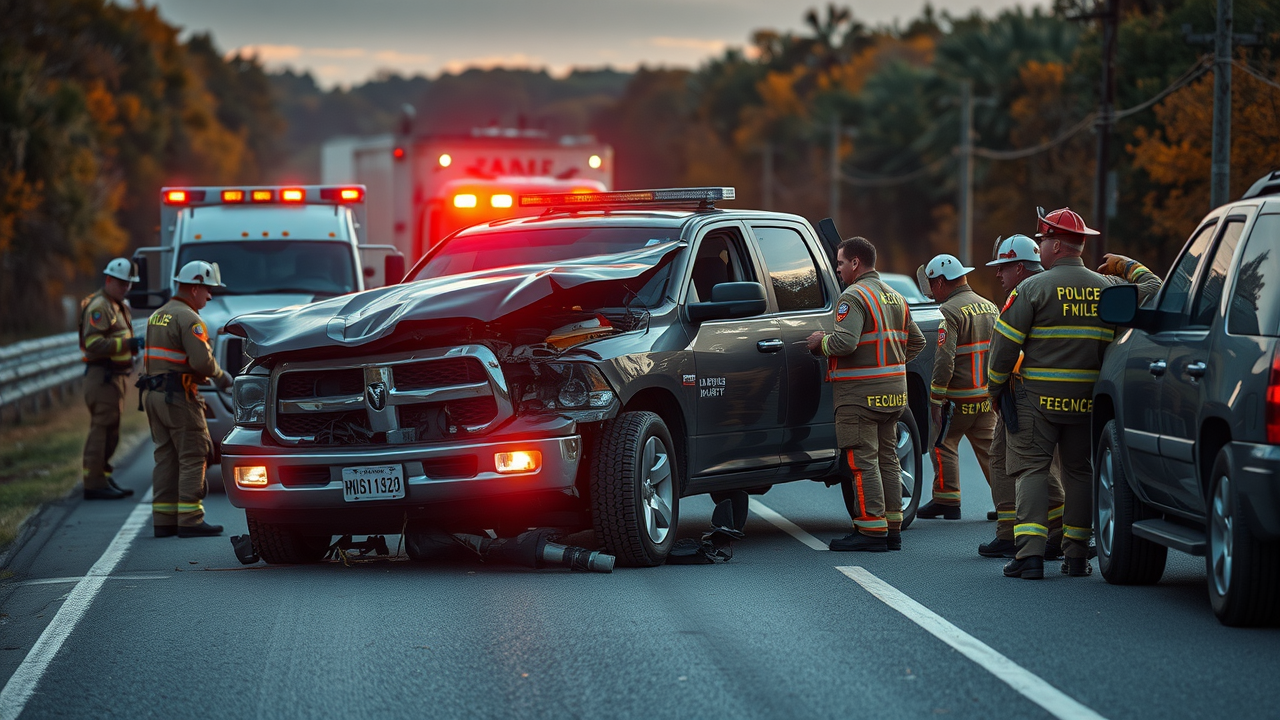
In 2023, a multi-vehicle collision involving a pickup truck on a rural highway highlighted the life-saving impact of rapid car accident emergency response. The state police were first to arrive, securing the scene and initiating vital rescue efforts before EMS could reach the remote location. Despite the severity, quick notification and efficient coordination among responders meant that injured survivors were stabilized and transported to the nearest county medical facility with minimal delay—many crediting the survival of the sole occupant in one vehicle to the relentless teamwork on scene. The fatal crash remains under investigation, but the news release praised the seamless collaboration and adherence to statewide protocols.
Essential Components of Effective Car Accident Emergency Response
- Rapid assessment and triage by first responders
- Immediate medical care for injuries and trauma
- Seamless communication between police, EMS, and hospitals
The efficacy of car accident emergency response is rooted in three core pillars: speed, teamwork, and coordination. When first responders arrive—often beginning with state police—they conduct a rapid assessment of the crash site, immediately prioritizing those in greatest need while containing hazards like fire, gasoline leaks, or even interfering wildlife. Simultaneous triage begins, enabling paramedics and medical care professionals to focus on the most critically injured, whether that means controlling bleeding, stabilizing spinal injuries, or preparing air medical evacuation if needed.
Keeping lines of communication open is non-negotiable; police, EMS, emergency vehicles, and county medical teams must synchronize their efforts to maximize the first crucial minutes. Increasingly, seamless communication extends from crash scene to hospital, where information passed by responders guides trauma protocol choice and speeds treatment for conditions like internal bleeding, shock, or multiple fractures. Continuous improvement—fueled by after-action reviews and updates to news release protocols—ensures that every life-saving measure works as efficiently as possible in the chaos of a severe crash.
Inside the Lives of First Responders: Perspectives from State Police and Emergency Medical Care Teams
“Braving dangerous scenes to protect and preserve life, it’s about teamwork and unwavering commitment.” – Senior State Police Officer
- Training regimens and stress factors affecting emergency response effectiveness
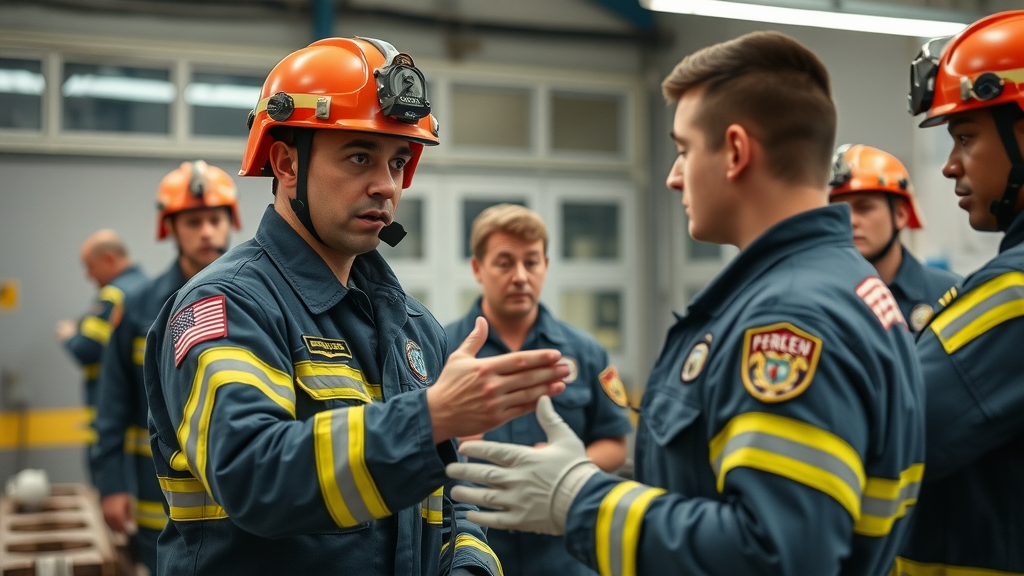
The work of first responders is as demanding as it is noble. Rigorous training regimens prepare these professionals for every conceivable scenario: from pileups involving dump trucks to high-speed chases ending in fatal crashes. It’s not just about physical readiness; it’s also about mental toughness and emotional resilience. State police officers and EMS workers often face immense psychological stress, particularly when fatalities or severely injured children are involved. Yet, their sense of purpose—protecting the public and upholding the law—keeps them coming back, shift after shift.
Behind every car accident emergency response is a team bound by unwavering commitment. Senior officers mentor recruits, sharing wisdom from countless incidents, while first-year responders learn to manage their adrenaline under pressure. Whether coordinating with county medical examiner staff or guiding the fire department through hazardous vehicle extrication, every move must be intentional and brisk. These unsung heroes rarely feature in press headlines but are the backbone of saving measures that keep our roads safer for all.
Common Barriers to Timely Car Accident Emergency Response
- Geographic and rural area challenges
- Public unawareness and delayed accident reporting
Despite advanced systems, various barriers continue to threaten the effectiveness of car accident emergency response. For instance, much of Louisiana state is covered by rural highways and degraded roads. In these areas, it can take state police and EMS precious additional minutes just to reach the scene after a fatal crash call is made—leaving crash remains under investigation longer and risking further injury. Emergencies on remote roads often lack clear signage, and secondary crashes can block routes for rescue vehicles or tow trucks.
Another significant challenge is public awareness. Too many drivers and bystanders hesitate to report accidents, perhaps assuming that emergency responders or local law enforcement are already on the way. Others may not know what information is most important to convey during a 911 call—like the exact location, number of injured, or if a dangerous animal (such as a black bear or even a stray german shepherd) is involved. Public education campaigns and emergency preparedness training are vital in combating these all-too-common issues.
How Technology Is Revolutionizing Car Accident Emergency Response
- Use of GPS, smartphone apps, and crash detection systems
- Examples of real-time incident data improving response speed

Advancements in technology are dramatically changing how car accident emergency response teams operate. Many new vehicles are equipped with crash detection systems that automatically alert 911 after significant impact, transmitting precise GPS coordinates and vehicle data. Smartphone apps like real-time incident reporting tools can instantly connect bystanders to emergency dispatch with accurate information, helping responders prioritize and allocate resources efficiently.
Response centers now utilize detailed digital mapping, allowing state police and EMS to identify alternative routes if traffic or a secondary crash impedes access. Hospital coordination is boosted by systems that share live patient data from the field, prepping trauma units before victims even arrive. Some cities are now experimenting with AI-driven dispatch algorithms, and on the ground, EMS teams use tablets to access patient histories and protocol checklists, shortening on-scene decision-making and improving survival odds.
Comparing State Police vs Local Agency Approaches
- Differences in protocol and coordination
- Benefits of unified statewide standards after fatal crash events
Coordination between state police and local agencies is essential for an effective crash response. State police typically take jurisdiction over major highways and severe collisions, deploying established statewide standards that ensure seamless cooperation among all emergency responders—law enforcement, fire departments, and county medical examiner personnel included. Their protocols prioritize rapid scene stabilization, communication, and inter-agency data sharing, enabling the fastest possible arrival of medical care.
Local police departments oversee response within city limits and may have varied standards and resources. However, after several highly publicized news release events involving fatal crashes, some states have moved toward unified, statewide procedures that blend local expertise with state-level command—forming a best-of-both-worlds approach. This unity ultimately leads to improved saving measures, fewer gaps in response, and higher survival rates during multi-vehicle pileups or rural pickup truck wrecks.
The Role of Pickup Truck Accidents in Shaping Emergency Response Protocols
- Why pickup trucks are often involved in severe crash statistics
- Adjustments to emergency response plans for high-risk vehicle scenarios
Pickup trucks and SUVs figure prominently in Louisiana crash data, often due to their size, weight, and prevalence in rural or agricultural settings. Collisions involving pickup trucks frequently result in more severe vehicle damage and complicated extrication procedures, demanding specialized skills from state police and EMS. These vehicles are also common in secondary crash situations—where another car hits debris from an initial accident—posing further risks for responders and travelers alike.
Emergency response plans now incorporate training for high-risk vehicle incidents, teaching responders to identify signs of hidden injuries, fuel leaks, or instability unique to pickup trucks and dump trucks. Dispatch centers are trained to gather vehicle type and occupancy information during initial calls, ensuring that the right tools and backup (including tow trucks or air ambulances) arrive on scene quickly. Regular protocol updates keep first responders ready for the toughest scenarios—no vehicle too challenging, no crash remains too complex to manage.
Best Practices for Drivers: Acting Quickly at the Scene of a Fatal Crash
- Immediate steps to take (calling 911, ensuring safety, triage basics)
- How to assist first responders effectively

If you witness a fatal crash or find yourself involved in an accident, a few crucial steps can save lives. First, ensure your own safety—get yourself and passengers to a safe spot away from traffic, fire, or hazards like downed power lines. Next, call 911 immediately. Clearly state your location (route or mile-marker), the number of vehicles (flag if it’s a pickup truck or involves heavy vehicles like dump trucks), and the apparent condition of everyone involved. Tell the dispatcher if a dangerous animal or additional hazards are present.
Await responders while avoiding interference with their operations. If you are trained in first aid, provide basic assistance while being careful not to move injured individuals unless they’re in immediate danger. When state police and EMS arrive, offer any information you observed, such as the sequence of events or if a secondary crash occurred nearby. Acting swiftly—not hesitating to report an accident or lend a hand within your abilities—can dramatically improve the outcomes for all involved.
How Medical Care Advances Improve Car Accident Emergency Response
- Trauma protocols for severe injury management
- Air ambulances and rapid transport options
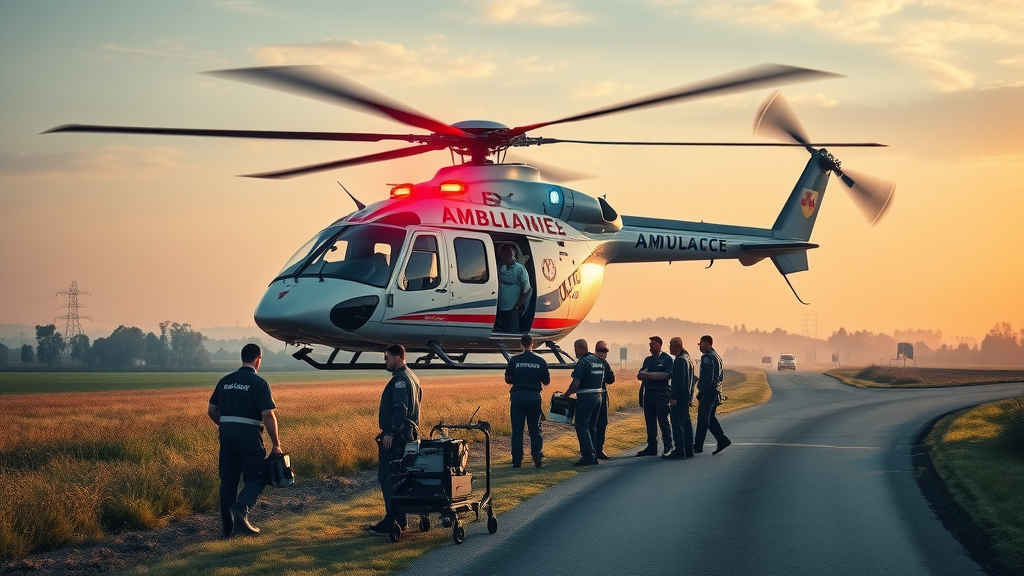
Advances in medical care, especially for trauma management, are game changers for car accident emergency response. Modern trauma protocols, updated based on feedback from county medical examiners and trauma surgeons, allow EMS teams to triage based on injury severity, focusing first on those with life-threatening bleeding, airways, or spinal injuries. In rural Louisiana, where hospital access can be delayed, air ambulances vastly improve survival odds, quickly transporting the injured while providing hospital-level care en route.
These improvements directly impact fatal crash outcomes, as rapid medical intervention minimizes critical time lost during long-distance transports. Whether it’s a crash involving a sole occupant in a remote area or a multi-vehicle pileup with several patients, the ability to mobilize advanced care teams within minutes saves countless lives each year.
Table: Response Time and Fatality Rates in Car Accidents (U.S. Statistics)
| Response Time | Fatality % | Survived with Serious Injury | Data Source |
|---|---|---|---|
| <4 Minutes | 8% | 45% | CDC |
| 4–8 Minutes | 15% | 35% | CDC |
| 8+ Minutes | 29% | 25% | CDC |
Expert Opinions: Quotes on Improving Emergency Responses for Fatal Crash Incidents
“Collaboration between dispatch, police, and trauma centers is our best weapon against preventable fatalities after a crash.” – Trauma Care Network Director
Lessons Learned — What Every Community Can Do to Accelerate Car Accident Emergency Response
The stories and statistics prove that improvement is possible. Public education campaigns on responding to accidents and investing in local infrastructure—advanced dispatch centers, more EMS units, and faster data-sharing—can speed emergency responses across the board. Communities that train residents through drills and first aid courses, and promote quick accident reporting, become the bridge between tragedy and hope on their roads.
Tech solutions, like integrated dispatch systems or accident detection apps, help bridge rural gaps and improve accuracy, while local governments and police departments can partner with hospitals for smoother trauma transfers. Empowering the public with lifesaving skills and knowledge remains a fundamental part of creating lasting change.
List: Simple Ways to Support Faster Car Accident Emergency Response in Your Area
- Enroll in first aid courses
- Advocate for improved road safety measures
- Report accidents promptly
- Promote community-wide emergency drills
FAQs About Car Accident Emergency Response and Fatal Crash Outcomes
- What should I do immediately after a car accident?
Immediately ensure your safety and that of any passengers, move to a safe location if possible, and call 911 right away. Provide the dispatcher with key information such as your precise location, the number of vehicles (including if it’s a pickup or dump truck), possible injuries, and any ongoing dangers at the scene. Remain calm and follow all dispatcher instructions. - How can bystanders help in a fatal crash situation?
Bystanders should focus on calling for help without delay, ensuring their own safety, and following directions from emergency responders. Only offer medical care if you are trained to do so, and avoid moving victims unless they’re in immediate danger such as from fire or leaking fuel. Provide thorough details to arriving law enforcement. - Does air medical evacuation always guarantee survival?
While air ambulances drastically improve survival chances in many rural and severe crash cases, they do not always guarantee a positive outcome. Survival depends on the speed of the entire car accident emergency response—including onsite triage and definitive medical care—as well as the nature and severity of the crash injuries. - What are the most important things to tell a 911 dispatcher?
Share your precise location (address or highway marker), details about the number and type of vehicles involved, apparent injuries and if any occupants are trapped, and mention any hazards like fire, power lines, or wildlife. Stay on the line until instructed otherwise and follow any additional directions given.
People Also Ask
How fast should emergency services arrive after a car accident?
- Emergency services should ideally arrive within 4-8 minutes of an accident for optimal survival rates. Delays beyond 8 minutes significantly increase the risk of fatal outcomes.
What role do state police play in fatal crash response?
- State police serve as first responders, securing scenes, coordinating with EMS, and often initiating life-saving measures before paramedics arrive.
What should I do if I witness a pickup truck accident?
- Call 911 immediately, provide detailed accident information, keep a safe distance, and follow any directions from first responders to avoid hindering their work.
Key Takeaways for Prioritizing Swift Car Accident Emergency Response
- Time is the most critical factor in saving lives after a crash
- Cooperation between drivers, bystanders, police, and medical staff is indispensable
Your Role: How You Can Demand Better Car Accident Emergency Response Initiatives
- Contact local lawmakers to advocate for better funding and technologies
- Participate in local training and emergency preparedness programs
Demand more from your leaders: advocate, participate, and prepare today so that tomorrow’s emergencies have every possible chance for hope, not heartbreak.
Ensuring a Safer Future: Advancing Statewide Car Accident Emergency Response Standards
- Aligning community efforts for better results
- The author’s final thoughts on why action today saves lives tomorrow
By aligning community efforts and pushing for innovative emergency response standards, we lay the foundation for safer roads and stronger futures for all. Take action now—every second, every voice, and every helping hand counts.
If you or a loved one has been injured in a vehicle crash incident, you should contact an local personal injury attorney who specializes in car accident cases.