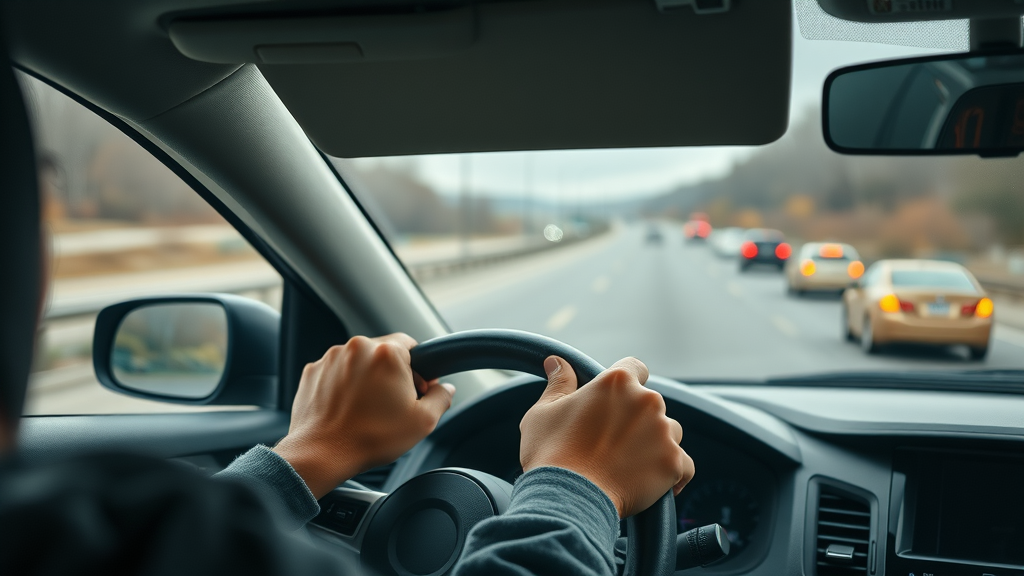
Imagine this: every year, over 38,000 Americans lose their lives in car accidents, and thousands more suffer serious injuries—many completely preventable with simple car accident safety tips. Whether you’re an experienced commuter or planning a long road trip with family, understanding the right safety strategies could mean the difference between life and death. In this guide, you’ll learn essential, proven, and actionable steps for safe driving that can protect you, your loved ones, and everyone sharing the road. Ready to become a safer, more informed driver? Let’s start with the facts.
Startling Statistics That Make Car Accident Safety Tips Essential
Every year, over 38,000 people die in car accidents in the United States—many of these tragedies are preventable with basic safety tips.

The numbers are stark: the United States experiences one of the highest rates of car accidents among developed nations. In fact, according to the National Highway Traffic Safety Administration (NHTSA), car crashes are a leading cause of serious injury and death for people of all ages. These statistics go far beyond numbers—they represent parents, children, friends, and colleagues whose lives can be profoundly changed by a single moment on the road. Understanding this reality is the first step toward adopting smart car accident safety tips that aren’t just about compliance—they’re about survival.
When you get behind the wheel for your daily commute or an exciting road trip, remember that personal injury and property loss are not rare events. The real tragedy, however, is that a considerable percentage of car accidents are preventable. By becoming better informed about defensive driving and implementing basic safety tips, drivers can dramatically reduce the likelihood of crashes, making our roads safer for everyone. From wearing a seat belt to following the proper speed limit, each small action contributes to a broader effort to prevent tragedy before it strikes.
Why Car Accident Safety Tips Matter for Every Road Trip and Daily Commute
- Decrease risk of personal injury
- Protect passengers during road trips
- Support traffic safety and community well-being
- Enhance your defensive driving habits
Whether you’re embarking on a cross-country road trip or navigating rush hour traffic, car accident safety tips are your lifeline. Taking safety seriously means you’re not just looking out for yourself but also for your passengers, other drivers, cyclists, and pedestrians sharing the road. Consistent safe driving habits, like using a seat belt religiously and avoiding distracted driving behaviors, reduce the probability of serious car crashes. Effective safety tips support not only personal health but also contribute to overall community safety.
Passengers, including children in car seats or booster seats, rely on the driver’s commitment to traffic safety. When you respect speed limits and adjust your actions for challenging weather conditions such as fog, rain, or snow, you actively minimize risks for everybody. Moreover, traffic safety awareness sends a positive message, reinforcing the broader culture of safe driving within neighborhoods and cities, and ensuring everyone remains attentive on the road.
What You’ll Learn by Following Car Accident Safety Tips
- Essential safety tips proven to save lives
- Step-by-step actions before, during, and after a car accident
- Legal and medical insights for injury law and personal injury
- How to prepare for emergencies and respond under pressure
By the end of this article, you’ll understand exactly how to integrate effective car accident safety tips into your daily routine, both to avoid dangerous scenarios and know what to do if a collision occurs. From the basics of buckling up to understanding the importance of calling an injury lawyer in the aftermath of a car crash, you’ll have comprehensive knowledge to safeguard your health and legal interests. Whether you’re new to driving or a seasoned road tripper, these strategies are tailored to help you stay calm, focused, and protected at every turn.
You’ll also learn how to create proactive plans, such as assembling an emergency kit, keeping key documents handy, and reviewing designated legal and medical procedures. Car accidents can be deeply stressful, but with a solid toolkit of safety tips and legal guidance, you’ll be well-equipped not just to survive but to help others remain safe in a crisis.
Most Common Causes of Car Accidents and How Safety Tips Address Them
| Cause | Related Safety Tip | Impact |
|---|---|---|
| Distracted driving | Stay attentive, avoid phone use | Reduces crash risk |
| Speeding | Adhere to posted speed limit | Minimizes severity of accidents |
| Fatigue | Take breaks on long road trips | Improves concentration |
| Impairment | Never drink and drive | Prevents severe car accidents |
The most prevalent causes of car accidents include distracted driving, failing to adhere to the speed limit, driver fatigue—especially on long road trips—and driving under the influence of drugs or alcohol. These risk factors have far-reaching consequences but can be dramatically reduced with consistent attention to car accident safety tips. Avoiding texts and hands-free calls, sticking to posted speed limits, and never driving impaired all play a critical role in creating safer roads. Being attentive and alert helps drivers adapt to sudden hazards, from changing road conditions to traffic lights and merging vehicles.
Incorporating or reviewing defensive driving practices before every trip and making safe choices in every situation are the hallmarks of responsible driving. By embracing these suggestions as daily habits, drivers actively contribute to a significant reduction in personal injury incidents and make the journey safer for all highway users, including cyclists and pedestrians.
How the Speed Limit and Focus Reduce Personal Injury Risk
- Understanding why speed limits exist
- Lowering speed in hazardous conditions
- Staying alert to share the road
Speed limits aren’t arbitrary—they’re determined by national highway and local traffic safety agencies to reflect the safest speeds for any given stretch of road. Going above the speed limit not only increases the chances of a crash but also the severity of injuries when accidents do occur. When drivers respect posted speed limits, especially in areas like school zones or during adverse weather conditions, they drastically improve their reaction time and lower the risk of personal injury.
Focus behind the wheel is equally crucial. Staying alert and avoiding distractions—such as mobile phones, eating, or adjusting your seat belt while moving—ensures you can respond quickly to changes in traffic or emergencies. On busy highways or bustling city roads, maintaining awareness of cyclists, pedestrians, and other vehicles is vital to sharing the road responsibly. Simple acts like checking mirrors and adjusting speed proactively foster a culture of safe driving that protects everyone.
Essential Car Accident Safety Tips for Every Driver
- Buckle up—seat belt use reduces personal injury and fatalities
- Respect the speed limit on all road trips
- Avoid distractions: texting, hands-free calls, eating
- Never drive under the influence
- Plan for emergency road trip stops
- Always share the road with motorcyclists, cyclists, and pedestrians

The foundation of safe driving and car accident prevention begins with basic, common-sense safety tips. First and foremost: always wear your seat belt—the simplest and most effective way to reduce personal injury risk in any car accident. Statistics consistently show that seat belt use is the single biggest factor in surviving serious car crashes and avoiding traumatic injuries. Beyond this, respecting speed limits, especially on unfamiliar routes or during extended road trips, minimizes the damage in case of an accident and helps avoid tickets, keeping insurance premiums under control.
Minimizing distractions isn’t just about ignoring your phone; it’s about being fully present while driving. This means avoiding hands-free calls, not eating, refraining from complicated dashboard fiddling, and keeping your focus on the road ahead and the traffic around you. Driving under the influence remains one of the leading causes of fatal car accidents, so always commit to sober driving. Planning stops on road trips for food, rest, and any necessary adjustments helps combat driver fatigue—a contributor to crashes that’s often underestimated.
Safe driving demands shared responsibility. Watch for motorcycles, cyclists, and pedestrians, especially in city or residential areas. This approach helps prevent tragic car accidents and is a mark of true defensive driving. Practicing these simple tips won’t just keep you safe—it creates a driving culture that benefits all.
Car Accident Safety Tips for Preventing Injury to Yourself and Others
“The best way to survive a car accident is to prevent it altogether by practicing defensive driving and adhering to traffic safety guidelines.” – Injury Lawyer
- Maintain vehicle (brakes, tires, lights)
- Leave sufficient following distance
- Be extra cautious in inclement weather
- Prepare emergency kits for road trips
Defensive driving goes beyond following the rules—it’s about anticipating risks and minimizing them at every turn. Regular vehicle maintenance is crucial: check your brakes, tires, and lights before any trip, be it a quick grocery run or an extended road trip. A well-maintained vehicle is less likely to fail you when you need it most, preventing accidents caused by mechanical issues.
On the road, leave plenty of space between your car and the vehicle ahead. This “following distance” gives you precious seconds to react if traffic lights change or if the car in front stops suddenly. In poor weather conditions—such as rain, fog, or icy roads—double your caution. Slippery surfaces and reduced visibility increase the chances of car crashes, making slow, careful driving and extra space between vehicles absolutely essential.
Before departing on long journeys, especially road trips into less populated areas, assemble an emergency kit with water, snacks, basic tools, a flashlight, and a fully charged phone. Advance preparation is a simple yet powerful aspect of car accident safety tips that goes a long way toward ensuring peace of mind and actual safety during the unexpected.
How to Respond During a Car Accident: Step-by-Step Car Accident Safety Tips
- Stay Calm and Check for Personal Injury
- Move to a Safe Location if Possible
- Call Emergency Services and Report Injury Law Concerns
- Exchange Details Without Admitting Fault
- Document Everything (Photos, Notes on Car Accident Scene)
- Seek Immediate Medical Attention—even for minor car accidents

In the immediate aftermath of a car accident, staying composed can make a vital difference. First, assess yourself and your passengers for any personal injury, then move to a safe location if it’s safe to do so—this prevents further car crashes from incoming traffic. Call 911 or emergency responders and inform them of the situation, especially if anyone requires medical attention or if traffic safety concerns like blocked lanes need quick resolution. Reporting accurately is also essential for future injury law or insurance needs.
Never admit fault at the scene, regardless of the circumstances. Instead, focus on exchanging driver and insurance information respectfully and professionally. Carefully document the entire car accident scene—take clear photos, note the positions of vehicles, skid marks, working traffic lights, and damaged property. These records will be invaluable if a personal injury lawyer or insurance adjuster becomes involved, providing evidence for your claim.
Even if you feel fine, always seek medical attention promptly. Some injuries may not be immediately apparent but can become serious over time. Early diagnosis can help prevent complications and will also serve as documentation should you pursue a claim with your insurance company or an injury law firm.
Aftermath of Car Accidents: Important Safety Tips and Legal Steps
- Notify your insurance provider promptly
- Consult a personal injury lawyer if needed
- Obtain a copy of the accident report
- Track all injury law and insurance communications
- Document ongoing healthcare visits
The moments after the physical event of a car crash can be just as complex as the collision itself. Always notify your insurance provider as soon as possible—delay in reporting can lead to complications with your claim. Depending on the seriousness, consulting a personal injury lawyer or a specialized law firm can help protect your rights and ensure fair compensation, particularly if you’ve sustained injuries or if there’s a question of fault.
Another key car accident safety tip is to get a copy of the official accident report filed by police or emergency responders. This document often proves vital in both insurance and legal contexts. Keep detailed records of every interaction with insurance companies, law firms, and healthcare providers. Medical documentation supports compensation claims and helps track your recovery—essentials for anyone navigating the complex world of personal injury law.
Road Trip Safety Tips: Avoiding Car Accidents on Long Journeys
- Plan regular stops to prevent fatigue
- Inspect your vehicle before every road trip
- Use GPS and check for road closure updates
- Share the road respectfully on longer routes
- Prepare for changing weather or poorly lit roads

Road trips offer adventure and freedom, but they also demand a higher level of preparedness for car accident prevention. Driver fatigue is a leading factor in highway traffic accidents, so plan regular stops to rest and refresh. A tired driver can be as dangerous as an impaired one, and a short nap or walk can drastically reduce accident risk during long journeys. Regularly inspecting your vehicle before departure and during stops—including checking tires, fluids, and lights—ensures your car is roadworthy for the miles ahead.
Advanced route planning using GPS or reliable apps provides real-time traffic and weather updates, enabling you to steer clear of unexpected hazards like road closures, construction delays, or adverse weather conditions. These tools also help you find alternate routes in case of major highway traffic slowdowns, saving time and stress—and possibly keeping you out of risky accident scenarios. Sharing the road, especially on scenic, two-lane highways or busy interstates, means respecting other drivers’ limits and keeping a safe following distance.
Changing weather and less-than-ideal lighting, especially at dawn or dusk, increase risk. Adjust your travel times and speed accordingly, and always keep emergency items, water, and blankets in the car. On every road trip, proactive planning and consistent commitment to safety tips ensure an enjoyable—and safe—journey for everyone on board.
Children and Pets: Specialized Car Accident Safety Tips
- Properly secure car seats for children according to law
- Never leave pets unrestrained in the car
- Double-check harnesses and child locks before road trips
- Educate young passengers about car accident safety tips
Children are among the most vulnerable passengers in any car, and correct car seat and booster seat usage is paramount. Carefully follow state regulations for installing car seats and booster seats—incorrect installation is a common but entirely preventable danger. For older kids, seat belts must fit snugly, and lap and shoulder belts should never be tucked under arms or behind backs.
The same goes for pets, who should always be safely restrained, either with a harness or in a secured carrier. Unrestrained animals can become dangerous projectiles in even minor car accidents, risking injury to themselves and others. Double-check every car seat, pet harness, and child lock before every road trip and after every major stop.
Promote car accident safety awareness among younger passengers—teach them the importance of staying buckled up and never distracting the driver. This not only makes them active participants in traffic safety but also forms the foundation for lifelong safe driving habits.
Technology and Car Accident Safety: Latest Tools for Safer Driving
- Advanced Driver Assistance Systems (ADAS): automatic emergency braking, lane-keeping
- Emergency response features in modern cars (OnStar, SOS buttons)
- Using apps to stay aware of speed limits and traffic safety alerts
- The role of dash cams in personal injury law claims

Today’s vehicles are equipped with an array of advanced technology aimed squarely at increasing driver and passenger safety. Features like Advanced Driver Assistance Systems (ADAS) provide warning indicators, automatic emergency braking, adaptive cruise control, and lane-keeping, greatly reducing the risk of car accidents caused by human error. These systems, paired with traditional safety tips such as seat belt use, offer a dual layer of protection.
Many new cars also include built-in emergency response options—SOS buttons or services such as OnStar—that connect you instantly to help in the event of a crash. Mobile apps take this further, providing real-time traffic and weather updates, reminders about speed limits, and warnings for upcoming red lights or accident-prone intersections. For drivers concerned with personal injury law, dash cams are invaluable: they provide indisputable evidence should an incident escalate to insurance claims or court.
Embracing both new technology and classic car accident safety tips gives drivers the confidence and tools they need to avoid, respond to, and recover from traffic incidents—protecting themselves and others with every trip.
Safe Driving Habits: How to Make Car Accident Safety Tips a Daily Routine
- Start each trip—short or long—with a safety check
- Prioritize defensive driving for traffic safety
- Review car accident safety tips monthly with family
- Stay updated on traffic safety laws in your state
- Commit to sober driving at all times
The most effective safety tips are those practiced regularly. Begin every drive, whether it’s a daily commute or a lengthy road trip, with a quick vehicle inspection: tires inflated, lights working, mirrors properly positioned, seat belt fastened. These habitual checks are critical for preventing car accidents related to equipment failure or poor preparation.
Defensive driving is a skill that must be honed. Stay four seconds behind the vehicle ahead, anticipate traffic light changes, and be mindful of school zones and red lights—places where accidents can happen in a split second. Make it a family activity to refresh everyone’s knowledge of car accident safety tips once a month, especially before major road trips or the change of seasons, when weather conditions can shift quickly and create new hazards.
Keeping up to date on the latest local traffic safety regulations ensures your knowledge is current and your safe driving reflects best practices. For everyone’s protection, commit to drinking zero alcohol or using no mind-altering substances before you drive—safe, sober operations prevent tragedies and set a powerful example for others.
Expert Insights: Injury Lawyers on the Impact of Car Accident Safety Tips
“Clients who practice preventative car accident safety tips are far less likely to face lasting effects from personal injury incidents.” – Prominent Injury Lawyer
- The link between evidence preservation and successful claims
- Common mistakes to avoid after car accidents
Injury lawyers routinely see the aftermath of car accidents and know firsthand that prevention is the most reliable form of protection. They agree that documenting everything—from the car accident scene to ongoing medical care—is crucial for any insurance or personal injury law claim. Without thorough evidence, even a straightforward case can become a challenge, so taking photos, gathering contact information, and saving relevant documentation should be second nature for every driver.
Too many people make basic mistakes after an accident: not reporting injuries immediately, failing to consult a personal injury lawyer, or admitting fault at the scene. Injury lawyers stress that these missteps can complicate claims and affect compensation. Their advice underscores a central theme of this article—proactivity is the shield that keeps legal and financial troubles at bay after a car crash.
Traffic Safety and Public Policy: How Car Accident Safety Tips Shape Our Roads
- How speed limits are set for safety
- The impact of public awareness campaigns
- Role of infrastructure in reducing personal injury and car accidents
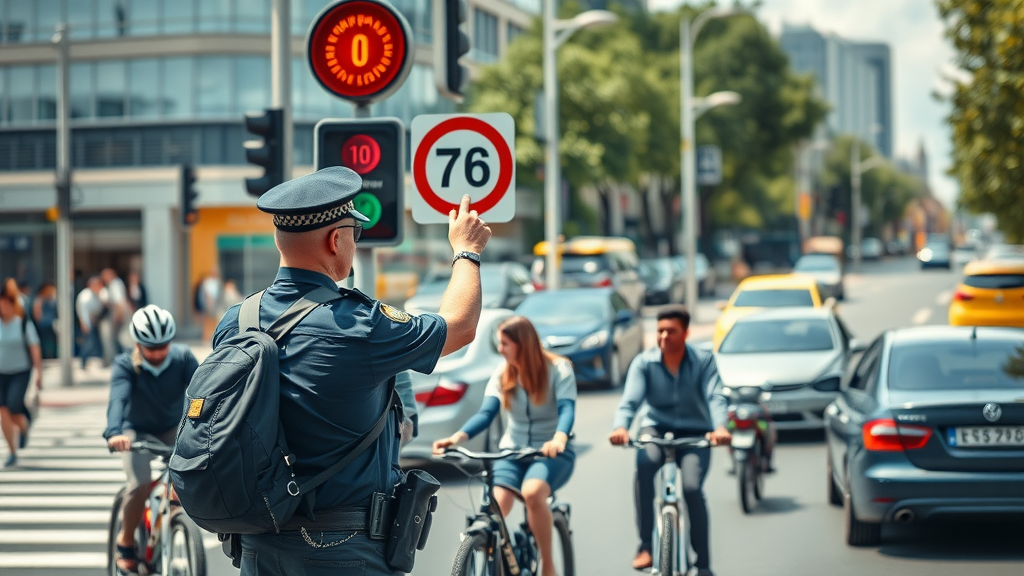
Policies and infrastructure are the backbone of public traffic safety. Speed limits are set by agencies like the National Highway Traffic Safety Administration (NHTSA) based on historical data, roadway design, and typical highway traffic patterns, all designed to minimize the risk of car accidents and support safer roads. Following those limits isn’t just smart—it’s a recognition of research-backed protocols to protect everyone.
Awareness campaigns and well-publicized “Click It or Ticket” seat belt enforcement programs have demonstrably raised the national seat belt usage rate and encouraged greater attention to essential safety tips like never driving distracted or impaired. Infrastructure improvements—clearer signage, better lighting at intersections, and protected crossings—reduce personal injury and death, making the streets, highways, and city roads friendlier for all users, from cyclists to truck drivers.
Sharing the Road: Car Accident Safety Tips for Multi-User Environments
- Recognizing vulnerable users (cyclists, pedestrians)
- Adapting speed limits in school and residential zones
- Safe overtaking and merging practices
More drivers, cyclists, and pedestrians now mingle on city streets and rural highways than ever before. Recognizing and respecting these vulnerable users is a core principle of car accident safety tips. Give cyclists and pedestrians extra room, especially at crosswalks, red lights, or stop signs. In neighborhoods, slow down and watch for children, pets, and unexpected activities—following speed limits in these zones can save lives.
Merging and overtaking need to be done with utmost caution and courtesy. Use your signals, check blind spots, and avoid abrupt maneuvers—sharp lane changes or hard braking can create unnecessary hazards for those sharing the road. By slowing down and anticipating actions of others, drivers become part of a system that values safety over speed, ensuring fewer collisions and safer roads for everyone.
How Safe Driving Contributes to Fewer Personal Injury Claims
- Direct correlation between obeying car accident safety tips and reduced legal incidents
- How safe driving can lower insurance premiums
- The ripple effect of individual responsibility
Obeying car accident safety tips directly translates into fewer personal injury law claims and potentially lower insurance premiums. Insurance companies reward drivers who remain accident-free with reduced rates, while traffic safety records demonstrate a clear drop in legal cases where drivers regularly belt up, follow the rules, and avoid distractions. Each choice you make behind the wheel not only protects your own future but has a ripple effect throughout your community.
Adhering to safe driving habits supports a shared goal: creating cultures and systems where severe car accidents become rare exceptions rather than commonplace. This proactive approach reduces strain on public health and justice systems, freeing resources and improving outcomes for everyone involved.
Learning from Real-Life Road Trip Car Accidents: Case Studies and Outcomes
“Adhering to basic car accident safety tips during a recent road trip prevented what could have been a major tragedy.” – Road Trip Survivor
- Analysis of positive outcomes from safe driving
- Lessons learned from serious car accidents
Case studies regularly reveal that following even basic car accident safety tips can mean the difference between a minor inconvenience and a major tragedy. For example, one family’s regular habit of checking booster seats before a long road trip ensured their children emerged unscathed from a highway pile-up, while a distracted driver in a similar incident faced long-term injuries and insurance battles.
These stories reinforce the idea that safe driving is the most dependable insurance policy. Learning from both good and bad outcomes helps drivers develop vigilance, anticipate hazards, and reinforce a commitment to defensive driving strategies that keep everyone safer—every trip, every mile.
Proactive Measures: Preparing for Emergencies with Car Accident Safety in Mind
- Assembling a comprehensive emergency kit
- Keeping emergency contact numbers on hand
- Reviewing car accident safety tips before every trip
The best way to handle any crisis is to be ready before it happens. Assemble an emergency kit for your car with supplies like first aid materials, non-perishable snacks, bottled water, a flashlight, phone charger, and a reflective vest. Store critical emergency contact numbers in both your phone and a physical copy within your glove compartment. Family members should know where these items are and know the procedure in the event of an accident.
Make it routine to review car accident safety tips with your household—refreshing this knowledge ensures fast, coordinated responses when every second counts. Preparedness isn’t just for long road trips; it’s a daily habit that builds lasting confidence and, ultimately, saves lives.
People Also Ask: Addressing Common Questions About Car Accident Safety Tips
What are the top 5 car accident safety tips everyone should follow?
The five most essential car accident safety tips are: always wear your seat belt, respect the speed limit, avoid any distractions behind the wheel, never drive under the influence of drugs or alcohol, and maintain your vehicle in top working condition. Incorporating these simple actions significantly lowers your risk of being involved in a car accident.
How do car accident safety tips help prevent personal injury?
Car accident safety tips promote consistent safe driving and defensive driving behaviors, which directly reduce your chances of suffering a personal injury. Wearing a seat belt, driving soberly, and avoiding distractions mean you have more control and improved reaction times in unexpected situations. These tips collectively minimize impact severity or help avoid car crashes altogether.
Are there different car accident safety tips for road trips compared to city driving?
Yes. While the core principles—seat belt use, sobriety, focused driving—are universal, long road trips require additional considerations. Plan regular rest breaks, check highway traffic and weather conditions, and ensure all passengers are secured for extended periods. In cities, be extra vigilant at traffic lights, watch for pedestrians, and expect unpredictable actions from other vehicles.
When should I consult a personal injury lawyer after a car accident?
It’s smart to contact a personal injury lawyer any time you’ve been injured, if there’s a dispute over fault, or if insurance issues become complicated. Legal counsel ensures your rights are protected and your documentation is in order, maximizing the chances of fair compensation for injuries or property loss.
Essential Video Guides: Demonstrating Car Accident Safety Tips
- Animation: Step-by-step process during a car accident emergency
- Expert interview: Injury lawyers explain legal dos and don’ts
- Safety demonstration: How proper seat belt use prevents injury
For a visual understanding, seek out instructional videos that demonstrate effective responses in a car accident, highlight the key legal steps from injury lawyers, and show the dramatic difference seat belt use can make in crash simulations. Watching these guides reinforces learning and provides actionable examples to apply in real life.
References from Traffic Safety and Injury Law Authorities
- National Highway Traffic Safety Administration reports
- CDC data on car accident prevention
- State-specific traffic safety agencies
- Personal injury law associations
Trust guidelines and statistics from reputable sources like the National Highway Traffic Safety Administration, Centers for Disease Control, state safety administrations, and certified personal injury law associations. These organizations set the standards for policy and best practices, ensuring safer roads for everyone.
Your Personal Checklist: Car Accident Safety Tips for Everyday Preparedness
- Quick daily vehicle inspection
- Family review of car accident safety tips
- Confirm emergency items and documents
- Planned alternate routes for road trips
Use this quick checklist as a daily guide: inspect your vehicle’s essentials, discuss safety tips with household members, ensure all emergency items and necessary documents are ready, and map out alternate routes for long journeys. These small habits add up to big safety on every ride.
Quick Recap: Key Car Accident Safety Tips That Save Lives
- Always buckle up and follow the speed limit
- Share the road safely
- Stay distraction-free and alert
- Prepare for road trips with thorough planning
- Consult an injury lawyer when uncertain after accidents
These guiding principles represent the nuts and bolts of effective car accident prevention and recovery—commit to practicing them, and you’ll help create safer roads and protect yourself and your community.
Take Action: Make Car Accident Safety Tips a Part of Your Daily Routine Now
Begin today—review these car accident safety tips, share them with your family, and make a pledge to drive smarter every time you get behind the wheel. Your decisions not only save your own life but could save others as well. Stay vigilant, be prepared, and prioritize safety—always.