Did you know over 1.3 million people die in road crashes every year worldwide? This is not just a number—it’s a powerful wake-up call. You may feel confident each time you fasten your seatbelt, but the true roots of car accidents often lurk where we least expect: in overlooked habits, ill-timed distractions, or even the design of the roads themselves. In this article, you’ll discover not only the startling realities but also the covert patterns and expert insights behind car accident causes that could save a life—possibly your own.
Staggering Realities: The Startling Truth About Car Accident Causes
- Startling fact: Over 1.3 million people die in road crashes yearly worldwide.
- Unexpected contributor: Distracted driving causes more crashes than most realize.
- Opinion: Despite law enforcement’s efforts, overlooked factors persist.
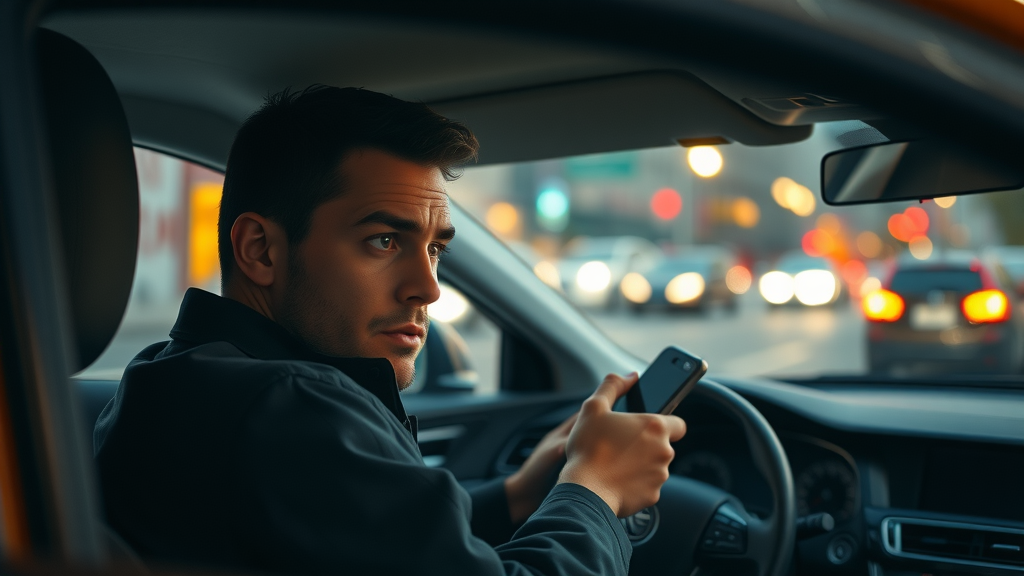
The numbers speak volumes, but the stories behind them are even more powerful. While we often hear about high-profile accidents involving reckless driving at a high rate of speed, much of the danger comes from the ordinary—a fleeting glance at a smartphone, rushing through a yellow light, or a split-second lapse in concentration. Even communities with proactive policing like Lafayette and Broussard struggle to curb these hidden risk factors. The persistence of unseen contributors demands our attention, especially as law enforcement and safety experts battle not only the obvious dangers but also the subtle perils that seldom make headlines.
Take distracted driving, for example. It’s become so ingrained in our daily routines that its threat is often minimized. Yet, local police department reports repeatedly show that technology-fueled distractions are overtaking older risk factors. In many tragic cases, families are left to navigate this terribly difficult time, searching for answers that are often as complex as the accidents themselves.

Why Understanding Car Accident Causes Is Crucial for Every Driver
Every driver, regardless of experience or confidence level, faces risk each time they get behind the wheel. The main keyword car accident causes is not just about statistics—it’s about empowering yourself with knowledge that can mean the difference between a close call and a tragedy. Understanding these causes allows you to proactively anticipate danger, adjust your driving habits, and make safer choices amid unpredictable situations.
By tuning into the latest research and listening to real-world examples, drivers develop mental checklists for safe practice. This includes recognizing patterns noted by the Lafayette Police Department, such as new technological distractions or evolving intersection hazards. The mission is clear: every driver can, and should, play a role in reversing the trajectory of road accidents. When communities acknowledge their shared responsibility, they elevate everyone’s safety and well-being.
Examining Car Accident Causes Through Real-World Examples and Data
Data-driven investigations illuminate patterns we might otherwise ignore. Recent reports reveal that emerging distractions—especially mobile devices—blend with traditional dangers, like excessive rate of speed or impaired driving. In multiple incidents, something as simple as a text message at the wrong moment led to critical condition admissions and community-wide impacts. The data track a disturbing rise in these incidents, paralleling trends in nationwide accident reporting.
Personal stories add depth to these statistics. Local and state police extend heartfelt condolences and prayers to victims and their families, emphasizing the difficult time and the deeply grateful response for the courageous actions of responders who arrive at the scene. Each of these events reminds us: the hidden causes are everywhere and demand our attention.
The Obvious and the Overlooked: Breaking Down Major Car Accident Causes
- Distracted Driving
- Speeding
- Drunk Driving
- Weather Conditions
- Fatigue
- Mechanical Failures
“It’s not always the reckless driver in the headlines; sometimes, it’s the subtle oversight that leads to tragedy.”
Distracted driving remains the elephant in the room—but let’s not dismiss other, often-overlooked, triggers. Speeding—or operating a vehicle at a high rate of speed—remains a significant risk factor, but it’s compounded by weather, where wet roads, fog, or snow challenge even the most careful drivers. Fatigue can strike unpredictably, making microsleeps behind the wheel incredibly dangerous, while mechanical failures such as brake or tire malfunctions multiply the risk for even skillful drivers. Each of these causes can escalate from a minor slip to a life-changing catastrophe in moments.
When examining accident reports in areas like Baton Rouge and Metairie, it’s evident that the invisible causes—like missed yield signs or inadequate lighting—are just as deadly as publicized ones. Law enforcement and safety analysts often find that the real danger lies not in what we expect, but in what slips beneath our radar. In these overlooked corners, prevention is more essential than ever.
Beyond Speed and Distraction: Louisiana’s Perspective on Car Accident Causes
Louisiana faces unique road safety challenges rarely discussed in mainstream media. The suburban environment often brings gently curving residential streets, unpredictable intersections, and frequent pedestrian activity. Unfortunately, these roads can create a false sense of security for drivers who underestimate the risks around familiar corners. Data from local accident reports indicate that even at lower rates of speed, collisions in suburban areas can result in serious injuries due to short sight distances, sudden stops, and heavy street parking.
Law enforcement has observed that failure to yield is a common contributor to accidents, especially in neighborhoods with multiple side-street entries. Additionally, vehicle defects, like brake failures or tire blowouts, contribute a significant percentage to accident rates. Far from the high-speed expressways that grab headlines, it’s these regular, routine trips where subtle lapses have severe consequences.
Behavioral Patterns Observed by Local Law Enforcement
Local police, including those in Lafayette and neighboring districts, spot recurring behaviors at the root of many collisions. Responding officers often cite drivers multitasking or rushing through familiar areas, assuming nothing can go wrong in their own backyard. These relaxed attitudes sharply contrast with the reality: most suburban accidents occur within five miles of home.
Louisiana State Police officers emphasize that even a split-second distraction—like adjusting the radio or interacting with a navigation device—can lead to tragedy. They report that although high-impact accidents make the news, it is often the slow-motion, everyday distractions that are most deadly. The real challenge, according to local law enforcement and safety advocates, is combating complacency and raising awareness of these overlooked risk factors.
Common Car Accident Causes in Louisiana
| Cause | Percentage Contribution |
|---|---|
| Distracted Driving | 20-30% |
| Weather Conditions | 10-15% |
| Failure to Yield | 10-15% |
| Impaired Driving | 25-30% |
| Vehicle Defects | 2-5% |
Louisiana’s Shifting Trends in Car Accident Causes
Based on available data from sources like the Louisiana Highway Safety Commission, legal analyses, and traffic safety studies up to 2025, here are a few key trends in car accident causes in Louisiana, focusing on Vehicle Defects, Distracted Driving, Weather Conditions, Failure to Yield, and Impaired Driving:
- Distracted Driving on the Rise: Distracted driving, particularly due to cell phone use and texting, continues to be a leading cause of crashes. In 2023, the Louisiana Highway Safety Commission reported that 22% of fatal crashes (178 out of 811 fatalities) and 32% of serious injury crashes were linked to inattention or distraction. Louisiana ranks third nationally for distracted driving fatalities, with a Forbes Advisor study noting 19.82% of fatal crashes tied to this cause. The trend shows an increase in distractions due to smartphone proliferation, despite stricter laws like the 2008 texting-while-driving ban.
- Impaired Driving Remains a Major Issue: Impaired driving, especially alcohol-related, is a persistent problem. In 2023, alcohol-related crashes accounted for 30.1% of all motor vehicle crashes, contributing to an estimated 244 fatalities. Louisiana ranks high nationally for drunk driving fatalities (13.44 per 100,000 licensed drivers). The trend indicates a slight decline in alcohol-related fatalities due to enforcement and awareness campaigns, but drug-related impairment (e.g., cannabis, opioids) is increasingly noted as a growing factor.
- Weather Conditions as a Seasonal Factor: Louisiana’s wet climate, with frequent rain and fog, contributes to 10-15% of crashes, particularly during hurricane season or heavy rainfall periods. Hydroplaning and reduced visibility are recurring issues, with sources like Louisiana State University’s traffic safety data highlighting weather as a consistent secondary cause. This trend is stable, with no significant increase or decrease, but climate variability may amplify impacts in certain years.
- Failure to Yield Prominent at Intersections: Failure to yield remains a significant cause, contributing to approximately 10-15% of all crashes and up to 14-20% of injury-related crashes, per 2017 data from the Highway Safety Research Group. This trend is driven by intersection accidents, left-turn errors, and pedestrian or cyclist right-of-way violations. Increased urban traffic and complex road designs in cities like Baton Rouge and New Orleans sustain this issue, with little change in recent years.
- Vehicle Defects as a Smaller but Persistent Cause: Vehicle defects, such as brake or tire failures, account for an estimated 2-5% of crashes, based on national NHTSA data and Louisiana-specific legal analyses. This trend is stable but underreported, as defects often combine with driver error or road conditions. Improved vehicle safety standards have slightly reduced this percentage, but aging vehicles and maintenance issues keep it relevant.
These trends reflect data up to 2023 and insights from sources like the Louisiana Highway Safety Commission, Forbes Advisor, and legal firms. For more precise 2025 data, checking the latest Louisiana crash reports or real-time X posts could provide updates.
“Louisiana State Police would like to remind all motorists that if you feel differently, you drive differently. Alcohol, prescription drugs, and other drugs have many effects on the body that negatively affect driving skills. These drugs can impair visual ability, alter the sense of time and space, impair fine motor skills needed to operate a motor vehicle, and decrease reaction times. Motorists are encouraged to plan ahead and designate a sober driver. Not doing so can have deadly consequences.”
How Unseen Factors like Urban Infrastructure Affect Car Accident Causes
- Road design and intersection layout
- Traffic signal timing errors
- Inadequate signage and lighting
- Sudden roadwork or construction
Urban infrastructure silently shapes the destiny of road users. Poorly designed intersections, confusing signage, and abrupt construction zones are notorious for misleading even attentive drivers. Statistics show that accident rates leap in areas with complex or inconsistent road layouts, as drivers struggle to interpret conflicting signals or navigate unexpected lane changes. Traffic signal errors, whether due to poor programming or technical failures, can cause chain-reaction collisions, impacting entire communities.
Many recent accidents in Louisiana involved variables beyond driver control: roadwork obstructions appearing suddenly, or lighting so dim that a crucial stop sign was nearly invisible. When infrastructure is poorly maintained or designed, drivers are forced to react in split seconds—often with tragic results. The key insight is that even the most careful drivers are vulnerable to these unseen factors, reinforcing the need for systemic safety improvements alongside individual vigilance.

Hidden Triggers: The Role of Social Behavior in Car Accident Causes
Peer Influence, Technology, and Risk-Taking
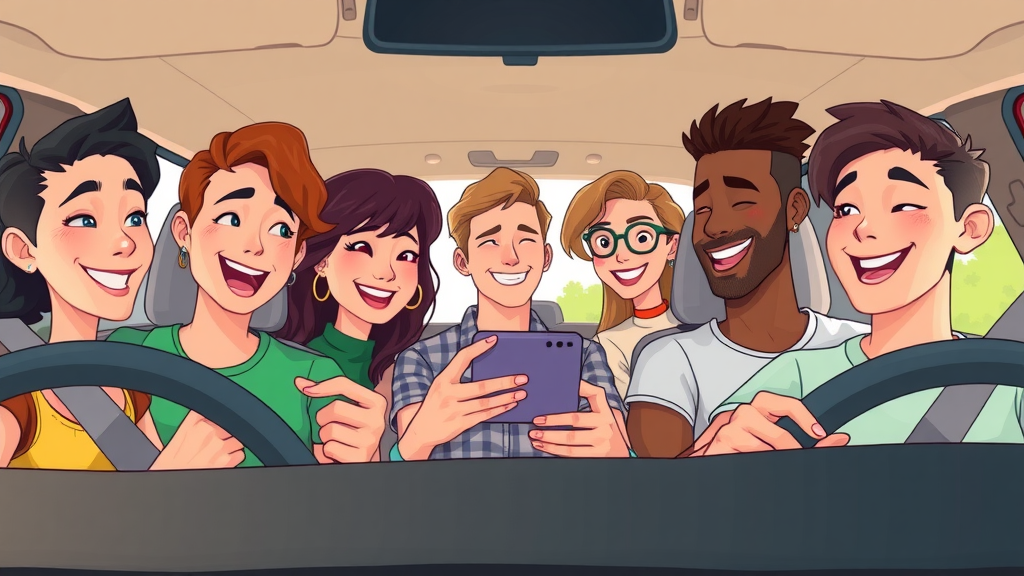
Social dynamics often exert invisible pressure on drivers. Peer influence among younger drivers, especially in group settings, can encourage riskier behavior—speeding, showing off, or engaging in distractions like group selfies mid-drive. Technology is a double-edged sword: while apps and GPS help with navigation, they also tempt drivers to multi-task, sometimes with deadly consequences. The interplay between social risk-taking and technological distraction forms a “perfect storm” in accident causation.
Local accountshighlight how drivers under 25 are disproportionately involved in accidents linked to group distractions or impulsive behavior. Whether it’s a group of friends daring each other or splitting attention among multiple devices, the presence of peers amplifies risk—especially in environments where youthful confidence outpaces experience.
Why Certain Demographics Are More at Risk
While youthful drivers are statistically more accident-prone, other demographics also deserve attention. Studies show that older adults, for example, may struggle with diminished reaction times or multi-lane driving, especially at night. Meanwhile, people in lower-income areas may drive older vehicles with unresolved mechanical issues like worn tires or malfunctioning brakes—direct contributors to local accident rates.
State Police records underscore that no one is immune. While young adults may be more inclined to risky behavior, middle-aged and senior drivers also appear in accident statistics, often because of environmental triggers or failure to adapt to new road technologies.
Consequences That Impact Entire Communities
- Increased insurance premiums
- Emotional trauma for victims and families
- Community-wide safety concerns
- Burdens on emergency response teams
When car accident causes go unchecked, their consequences ripple outward, burdening far more than just those involved in the initial incident. Insurance premiums rise for everyone, not just repeat offenders, as companies adjust rates based on regional accident statistics. Victims and their families endure both immediate shock and long-term trauma, dramatically affecting quality of life in ways difficult to quantify. Responders mourn each preventable tragedy, noting how a deeply grateful community must repeatedly extend our heartfelt condolences, knowing that each accident could have been avoided.
Additionally, community confidence suffers. Recurring accidents at particular intersections or during certain times of day create pockets of anxiety, discouraging parents from letting children bike to school or neighbors from enjoying evening walks. Emergency response teams, stretched thin, must routinely manage complex multi-vehicle incidents. The societal costs remind us: prevention is not just personal, it is collective.
What Experts Say: Quotes on Car Accident Causes
“Prevention starts not just behind the wheel—it’s a community-wide priority.” – Transportation Safety Analyst
Experts universally agree—robust accident prevention requires teamwork. From the vigilance of individual drivers to the coordinated actions of law enforcement and urban planners, everyone has a role. The alignment of expert opinion with on-the-ground realities draws a clear roadmap for positive change.
Practical Steps: How to Minimize Your Risk of Car Accident Causes
- Practice defensive driving
- Regular vehicle maintenance
- Stay informed of local road conditions
- Use technology responsibly
- Obey all traffic laws
The solutions are as multifaceted as the risks. Defensive driving—anticipating hazards and proactively adjusting your speed or path—remains a cornerstone. Regular maintenance prevents mechanical failures like brake malfunctions. Staying updated on weather and construction alerts empowers you to reroute or exercise extra caution as needed. Using technology responsibly—whether it’s activating do-not-disturb modes or relying on crash detection apps—minimizes distraction. Above all, commitment to traffic laws and local guidelines sharpens community-wide safety awareness.
Communities like Lafayette and insights from Louisiana law enforcement stress that these preventive steps must become routine. By making them habits rather than afterthoughts, we place more control over our safety—and that of others—firmly within our grasp.
Innovative Tools and Apps Detecting Car Accident Causes
What is the app that detects car accidents?
- Several apps like OnStar Guardian and Car Crash Detection offer automated emergency responses and real-time alerts to reduce car accident harm.
The intersection of technology and safety has ushered in a new wave of tools designed to detect accidents and connect victims to help faster. Mobile apps like OnStar Guardian, Car Crash Detection, and similar innovations use motion sensors in your smartphone to recognize abrupt stops, impacts, or rollovers. Once a potential accident is detected, the app can automatically alert emergency services—sometimes even sharing your precise GPS location and critical medical info. These advances are especially valuable in critical condition situations where every second counts, providing a safety net for drivers and passengers alike.
More and more insurance providers and car manufacturers are integrating similar technologies into their offerings. By expanding the reach of these apps, communities can ensure faster responses, reduce fatalities, and lower the overall societal costs of car accident causes.
Record-Setting Tragedies: What Was the Biggest Car Accident Ever?
One of the most devastating car accidents ever recorded happened in the early 2000s in California when dense fog and speeding combined to cause a pileup involving over 200 vehicles on the highway. Such incidents capture headlines and remind us of the peril when multiple risk factors—weather, speed, visibility, and delayed emergency response—collide in a single tragic event. While rare, these events resonate as cautionary tales, highlighting the need for personal responsibility and community-wide disaster readiness.
How to find out local car accidents?
- Use local police department websites, traffic apps, and news sites. Social platforms also provide real-time accident reports.
Staying updated about nearby accidents is crucial for both route planning and community safety. Most police departments—including the Baton Rouge and New Orleans Police Departments—maintain regularly updated online logs or public safety pages. Traffic mapping apps like Waze and Google Maps report accidents in real time, often with input from drivers themselves. Social media—community Facebook pages or local Twitter feeds—also offer rapid, peer-driven updates, ensuring you can avoid delays or dangerous areas when planning your route.
In-Depth: What Is the Leading Cause of Death in a Car Accident?
- Head and chest trauma remain the top causes of fatal injuries in car accidents, often resulting from high-impact collisions or rollovers.
The most common fatal outcomes in car accidents are severe head and chest injuries. High-speed collisions, rollovers, and impacts with fixed objects (such as when a vehicle struck a tree) can overwhelm even well-designed safety features. Trauma at this level frequently results in immediate critical condition status, with victims relying on the timely arrival of skilled emergency responders to survive. Modern emergency medicine has improved survival rates, but prevention through awareness and safety technology remains the frontline defense.
Essential Questions on Car Accident Causes (FAQs)
- What are the primary hidden car accident causes drivers ignore?
Answer: The most ignored hidden causes include distracted driving, overlooked mechanical faults, subtle weather changes, and poor road design. Many drivers focus only on obvious dangers like drunk driving, missing the subtle everyday choices that lead to crashes.
- How does distracted driving compare with impaired driving?
Answer: Distracted driving has recently surpassed impaired driving in many accident reports, especially in areas policed by units like the Lafayette Police Department. While both are extremely dangerous, distracted driving is more insidious because it’s often culturally normalized—and frequently undetected until after an accident occurs.
- Are there effective community-based interventions for car accident prevention?
Answer: Yes, effective interventions include public awareness campaigns, installation of smart traffic signals, and local enforcement of distracted driving laws. Community collaboration with local police, ongoing education, and infrastructure improvements all help to reduce preventable accidents.
Key Insights Every Driver Must Remember About Car Accident Causes
- Stay alert for subtle risk factors
- Local trends like those noted by local and state police can inform your safety strategy
- Preventative action saves lives
Whether you’re driving through a busy urban intersection or coasting down a neighborhood street attention to hidden factors is paramount. Tune into local trends and embrace a proactive defensive driving mindset, and you’ll be a key link in a chain of prevention that protects everyone on the road.
Take Responsibility: Make Car Accident Prevention a Priority
- Carry forward today’s awareness—share these insights with your community and practice safe driving daily.
Commit now to vigilant, informed driving—your effort could be what stands between safety and tragedy in your community.