Did you know: The average commercial truck crash can leave victims facing over $100,000 in medical expenses and lost wages? Behind every semi truck accident headline is a story of lives disrupted, financial burdens, and years of recovery. Whether you’re a truck driver, motorist, or a loved one affected by a crash, avoiding costly mistakes after a semi truck crash can make all the difference in your recovery—financially and emotionally.
The Real Cost of a Commercial Truck Crash: Startling Figures Every Driver Should Know
“A semi truck accident costs the average victim more than $100,000 in medical bills and lost wages, according to Insurance Institute data.”
When you see flashing lights and highway flares after a truck crash, you might not realize the true price involved. According to the latest studies from the Insurance Institute, a commercial truck crash isn’t just another fender bender—it’s often a life-changing event. Besides the staggering direct costs, which average upwards of $100,000 for victims, there are countless hidden losses: transportation disruptions, job interruptions, and long-term physical therapy. Fire departments, hazmat teams, and emergency crews routinely see firsthand how a crash involving a semi truck or log truck can impact not just one person, but an entire community. From Lafayette to New Orleans, news center reports and local news headlines serve as grim reminders that proper steps in the aftermath matter immensely to your financial and personal recovery.
Add to this the cost of environmental cleanup for diesel fuel or motor oil spills, and the ripple effects grow larger. If the crash involved hazardous materials—a common event cited by state police and highway patrol—you’re looking at even higher response costs. Many victims underestimate the type and scope of documentation needed to recover damages fully, missing out on critical compensation simply because they didn’t act fast enough or failed to secure professional advice. Understanding the scale of a semi truck crash’s impact can help you prepare—mentally, legally, and financially—to make decisions that safeguard your rights and future.

What You’ll Learn About Commercial Truck Crash Claims
- Why commercial truck crashes are uniquely complex
- The most common mistakes drivers make after a semi truck crash
- How local news and crash involving reporting impact your claim
- The legal process—and how a truck driver’s actions factor in
- How to protect your rights after a truck crash
Understanding What Defines a Commercial Truck Crash
Not all accidents are created equal. When it comes to a commercial truck crash, the stakes—and the complications—rise dramatically compared to a standard car accident. A commercial vehicle, like a semi truck, log truck, or even an 18 wheeler carrying hazardous cargo, adds layers of investigation, insurance requirements, and regulatory oversight that typical motorists never face. Fire departments, hazmat teams, and state police might be called to the scene if a truck crash involves spilled diesel fuel, leaking motor oil, or dangerous cargo. Each agency’s report and every detail—down to the crash involving a specific highway or parish—can later influence how your claim is evaluated.
Differences Between a Standard Car Accident and a Semi Truck Crash
The aftermath of a semi truck crash looks and feels dramatically different from a regular car accident. For starters, the vehicles involved are massive—sometimes exceeding 80,000 pounds fully loaded, compared to an average car’s 4,000 pounds. In a crash involving a semi truck and a car or Ford motorhome, the physics alone create more severe injuries and property damage. What’s more, truck drivers and trucking companies are governed by intricate state and federal regulations that dictate how incidents must be handled and reported, including drug and alcohol tests, mandatory rest periods, and special logbook requirements.
When the Louisiana State Police arrive at the scene, their investigation is both more intensive and more technical. They’re looking at electronic logging devices, driver fatigue, possible motor oil or diesel fuel spills, and even the role of recent maintenance work. Crews worked through the aftermath not just to reopen roads that remained closed but to ensure public safety and environmental protection. From these details, you can see why understanding the unique factors of a commercial truck crash is crucial for anyone involved—especially if you’re preparing a claim or just want to know your rights.
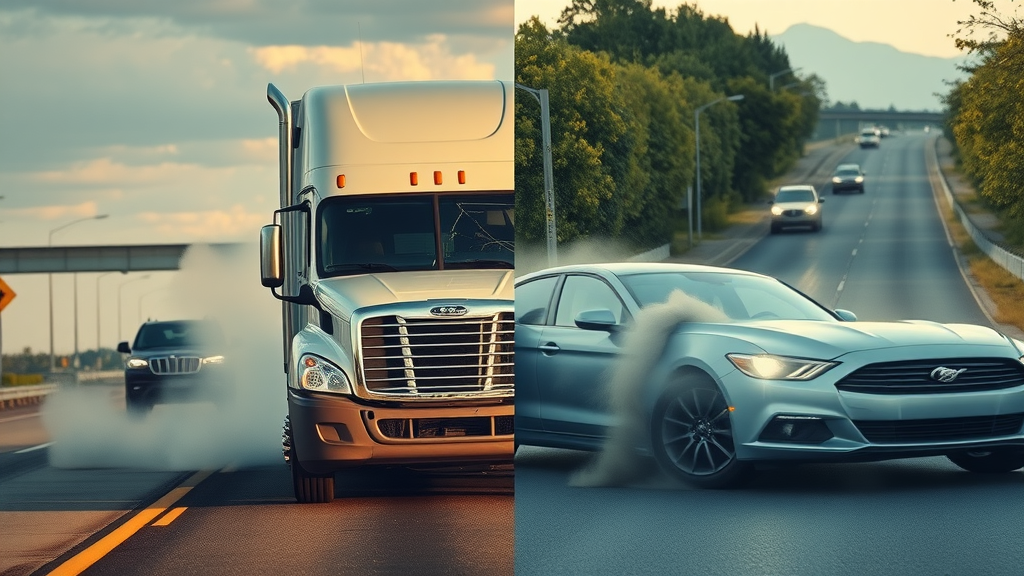
How Local News Shapes Perceptions of Truck Crashes
Local news coverage has a profound impact on how the public perceives commercial truck crashes—and on your claim’s outcome. News center investigations, newspaper headlines, and even social media posts often shape community attitudes about the truck driver’s role, the severity of the incident, and any environmental hazards like motor oil or diesel fuel spills. When your crash involving a semi truck makes the nightly news, details about emergency crews, the crash scene, or the area hospital where victims were transported become part of the record. This widespread attention can influence insurance adjusters, jurors, and even highway patrol or shipping company investigations.
The tone of local reporting—whether the story is framed as a tragic accident or a case of truck driver negligence—may subtly sway how your claim is received by insurers or defense attorneys. In high-profile incidents, especially those involving hazardous materials or road closures that “remained closed” according to Louisiana State Police, narrative control is key. Understanding that your story is often filtered through the lens of the news center provides critical context: don’t just rely on public perception. Instead, gather your own evidence and remain proactive, ensuring your side is fully and accurately represented.
Top 5 Mistakes Drivers Make After a Commercial Truck Crash
- Leaving the scene before documenting everything
- Neglecting to gather local news reports on the crash involving your truck
- Discussing liability with the truck driver or their insurer
- Failing to preserve evidence, such as photos of the semi truck and spilled motor oil
- Not contacting an attorney early in the process
Each of these errors can jeopardize your claim. Leaving the scene without proper documentation means losing critical details: skid marks, spilled fluids, or badly damaged cargo that could prove liability later. Too often, drivers forget to collect local news articles or social media posts—key pieces of evidence that can confirm the timeline or support your narrative. Discussing liability at the scene, especially with the truck driver or their insurer, can result in statements that hurt your claim. Remember, insurers may look for any reason—however small—to reduce or deny your compensation.
Failing to capture photographs of motor oil spills, damages to both vehicles, and the positioning of warning triangles can mean losing evidence before emergency crews and fire teams clear the area. Finally, waiting too long to consult a legal professional limits your options and could mean missing important filing deadlines. When you act quickly and thoughtfully after a semi truck crash, you significantly increase your chances of a fair resolution.
Why Semi Truck Crash Claims are Uniquely Challenging

Unlike standard car accidents, claims involving a commercial truck crash involve a host of additional legal, regulatory, and logistical hurdles. Truck drivers typically operate under stricter oversight, and evidence such as electronic logs, black box data, and maintenance records come into play during investigations. When a crash involving diesel fuel or motor oil is involved, environmental agencies, fire responders, and even the highway patrol may contribute to the report, each adding another layer of complexity to your claim.
The legalities can become even more muddled when multiple parties are implicated: the trucking company, third-party maintenance crews, or even other drivers. And if the incident makes headlines in the local news or ends up under the scrutiny of the State Police, you may face mounting pressure to respond quickly and strategically. Knowing how to navigate these layers of responsibility, insurance, and public attention is what makes having professional help so valuable.
Liability Complexities Involving Truck Drivers and Motor Oil Spills
One of the most complicated issues you might encounter after a commercial truck crash is determining exactly who’s responsible. Truck drivers must follow community guidelines, but if a motor oil or diesel fuel spill occurred, questions quickly arise: Was the vehicle improperly maintained? Did negligent repairs by contractors play a role? If you’ve ever read about a crash involving a log truck where a hazmat team needed to be called, you’ve seen firsthand how liability can stretch beyond the driver to include their employer or maintenance provider.
Investigators—whether from highway patrol or state police—follow strict procedures to pinpoint the cause, scouring logs, repair histories, and cargo manifests. If the crash involved multiple vehicles or hazardous materials that closed highways for extended periods, other agencies join in. Each piece of evidence, from the spilled oil pattern to the truck driver’s hours-of-service logs, becomes a potential lever in determining financial responsibility. That’s why your claim may succeed or fail on the smallest technicalities, making thorough documentation and timely action absolutely essential.
Crash Involving Multiple Parties—Who’s Responsible?
Rarely is fault straightforward after a semi truck crash. You might hear that the Fire Department or the Louisiana State Police led the response, but responsibility could extend to several different parties. If a maintenance contractor performed faulty repairs—leading to a motor oil leak that caused the accident—they might share liability. The trucking company could be on the hook for hiring unsafe drivers or failing to enforce safety practices. In some cases, other motorists contribute to the incident, adding layers of comparative negligence requiring careful legal navigation.
Below is a table summarizing the most common parties involved in commercial truck crash claims, their typical responsibilities, and the legal considerations that may arise:
| Common Parties in Commercial Truck Crash Claims | Typical Responsibility | Legal Considerations |
|---|---|---|
| Truck driver | Fatigue, error | Duty to drive safely |
| Trucking company | Negligence in hiring/training | Vicarious liability |
| Maintenance contractors | Faulty repairs, motor oil leaks | Proving link to crash |
| Other motorists | Contributing conduct | Proportionate negligence |
Navigating such complexity without experienced legal assistance can severely limit your case’s success. Each party will likely have its own insurance and legal team, working to limit their financial exposure. Don’t try to manage communications, claim filings, and negotiations on your own—having an advocate who understands these nuances can be the deciding factor in securing fair compensation.
The Impact of Local News Coverage on Commercial Truck Crash Claims
Local media coverage is not just background noise after a commercial truck crash—it’s a factor that can sway public opinion, insurers, and even court outcomes. From Interstate 10 to your own neighborhood, community guidelines on accident reporting often set the narrative for what happened and who is at fault. If the news center runs dramatic footage or shares images of spilled diesel fuel and highway closures, public sympathy—or scrutiny—can shift rapidly.
News headlines citing “crews worked to clear” or “highway remained closed” for hours are more than updates—they are part of the story adjusters and legal teams reference during a claim. So, never dismiss the power of gathering local news coverage about your semi truck crash. These third-party accounts can validate your experience, help establish timelines, and even support injury or damages claims in the eyes of the court or an insurer. As you build your case, remember: in the modern information age, perception often lives alongside—and sometimes overshadows—facts.
Leveraging Local News Reports for Your Crash Involving a Semi Truck
How can local news help you? Simple: public records and reputable news articles documenting the crash involving your truck establish a timeline independent of the trucking company’s reporting. If your accident appears in the parish fire or state police log, grab copies for your records. Photos, interviews, or even social media posts from people at the scene can help demonstrate the accident’s severity, details about hazardous spills, or the steps emergency crews took.
Being proactive—downloading news articles, recording interviews, saving video clips—strengthens your evidence. Insurers and opposing attorneys are more likely to take your claim seriously when it is corroborated by local news. Additionally, having documented coverage of a crash involving hazardous materials, extensive injuries, or a highway that “remained closed,” gives you crucial ammunition if the other side disputes your version of events. In summary, don’t ignore the value of local news; make it work for your case.

Gathering Evidence: Essential Steps After a Commercial Truck Crash
- Take clear photos of all vehicles, road conditions, and any spilled motor oil
- Exchange information with the truck driver and witnesses
- Secure a copy of the local crash report
- Document your injuries and treatment
- Consult with a commercial truck crash attorney
Immediately after a commercial truck crash, your focus should be on preserving evidence. Take photographs of every vehicle involved—including details of license plates, damaged cargo, and any spilled motor oil or diesel fuel at the scene. If you have visible injuries, or if you notice that emergency crews or local fire teams are already documenting the site, add your own photos for redundancy. Exchange insurance and contact information with the truck driver, witnesses, and—if possible—any responders from the state police or highway patrol.
It’s also vital to get a copy of the initial crash report made by local authorities or news centers. This document becomes invaluable when insurance companies start reviewing the incident. Lastly, seek medical attention quickly—both to care for your health and to create a record connecting your injuries directly to the crash involving a semi truck. The more thorough your documentation, the stronger your position as you move forward with your claim.

People Also Ask
What should I do immediately after a commercial truck crash?
Immediately after a commercial truck crash, safety comes first: move to a safe area if possible and check for injuries. Call 911 and cooperate with emergency crews, fire teams, and hazmat responders as needed. Once the scene is secure, document everything—photos of the vehicles, spilled fluids like motor oil or diesel fuel, and road conditions. Collect contact information from the truck driver and all witnesses, and avoid speculating about liability at the scene. Finally, notify your insurance and consult a skilled attorney as soon as practical to protect your rights.
How is fault determined in a semi truck crash?
Fault in a semi truck crash is determined through a combination of police investigation, accident reconstruction, and careful analysis of evidence such as photos, electronic logs, and maintenance records. Authorities like Louisiana State Police, and highway patrol review driver conduct, possible violations, and environmental factors like motor oil spills. Statements from local news, emergency crews, and witnesses all factor in. Sometimes, multiple parties may share liability—making it essential to have all facts and proper legal representation.
What makes a truck crash claim different from a car accident claim?
Truck crash claims are more complex than car accident claims due to the scale of damages, strict federal and state trucking regulations, and the number of potential parties involved. Truck drivers, trucking companies, and even third-party maintenance or shipping firms may all play a role. Incidents involving hazardous materials, as reported by local news or fire responders, can result in additional environmental and legal consequences. More extensive documentation and legal guidance are almost always necessary for a successful claim.
FAQs: Common Questions About Commercial Truck Crash Claims
- Do I need a lawyer after a commercial truck crash? Absolutely. Claims involving a commercial truck crash often require specialized knowledge of trucking regulations and multi-party liability. A lawyer can ensure key evidence is preserved and negotiate aggressively for rightful compensation.
- How long do I have to file a claim? Deadlines, known as statutes of limitations, vary by state and the complexity of the accident—especially for a semi truck crash. Consulting an attorney as soon as possible ensures crucial evidence isn’t lost and all filing deadlines are met.
- Can I recover damages for motor oil spills or hazardous materials? Yes, you may be entitled to compensation for injuries, property damage, or environmental cleanup related to spilled motor oil, diesel fuel, or other hazardous substances—provided evidence supports your claim.
Key Takeaways: Safeguarding Your Rights After a Commercial Truck Crash
- Act decisively and secure evidence
- Understand the unique complexities of semi truck crashes
- Don’t rely solely on local news; build your own case
- Consult an attorney experienced in commercial truck crash claims

Conclusion: Your Next Steps After a Commercial Truck Crash
The aftermath of a commercial truck crash is challenging, but knowing what to do—and acting quickly—makes all the difference. Secure your future: document, consult an expert, and advocate for your rights.
18 Wheeler Accident? Get Help Now
18 Wheeler accident? Contact experienced attorney Ken St. Pé today for a free consultation. Call 337-534-4043 or Email kds@stpelaw.com