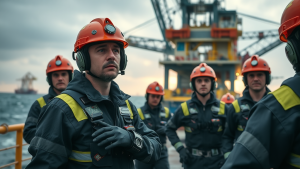
Did you know an offshore oil rig worker is among the 10 most dangerous professions in the United States, facing fatality rates seven times the national average? Every shift on an offshore rig comes with real risks—slippery platforms, high-pressure machinery, and unpredictable weather. If you, like many oil rig workers, worry about your safety or legal options after an accident, you’re not alone. I’m Attorney Ken St. Pé, and this guide is here to empower you with knowledge, prevention tips, and a clear legal path forward when offshore work takes an unexpected turn.
A Startling Reality: Offshore Oil Rig Worker Risks and Statistics
For anyone considering a career as an offshore oil rig worker or already enduring the demanding lifestyle of rig work, the statistics are sobering. According to the Bureau of Labor Statistics, fatalities among oil and gas extraction workers, particularly those stationed offshore, are significantly higher than most other industries. Falls, equipment malfunctions, and fires account for a large percentage of these incidents. The offshore environment—in the heart of the Gulf of Mexico or beyond—means medical response times are slower, and small errors can become life-changing events.
Rig work requires intense physical and mental stamina. On offshore oil rigs, every task, from handling drill pipe to routine platform walk-throughs, exposes rig workers to hazards not seen in onshore work. Even with modern safety protocols, unpredictable weather and heavy machinery add another layer of danger. Recognizing these risks is the first step in advocating for better safety standards and preparedness in case of personal injury.
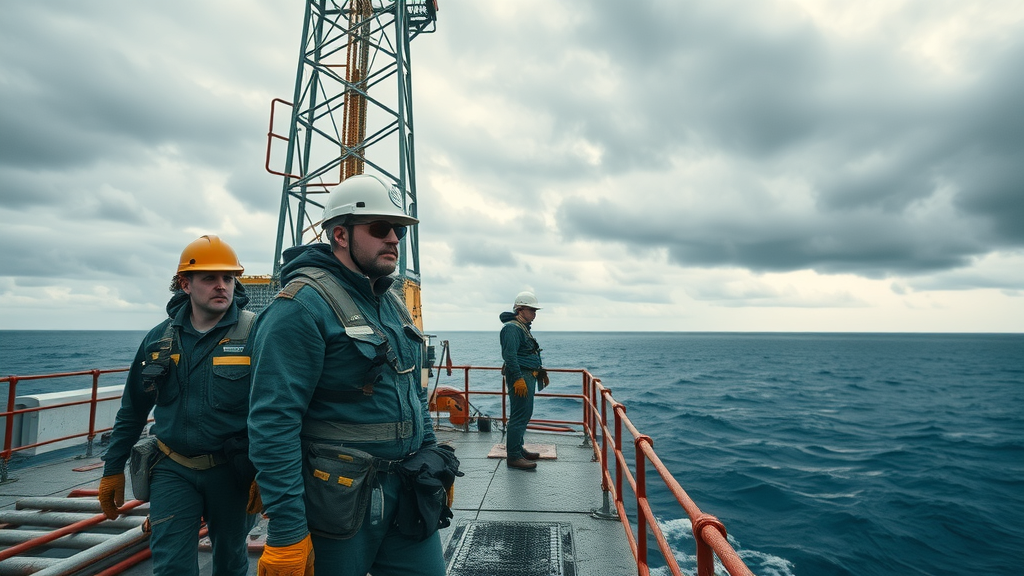
“Offshore oil rig workers face some of the most hazardous conditions of any profession—safety must never be an afterthought.” – Attorney Ken St. Pé
What You’ll Learn About Offshore Oil Rig Worker Safety
- Key dangers and risks for offshore oil rig workers
- Common accidents on oil rigs and how to prevent them
- Legal rights and support if you are injured
- Steps to take immediately after a rig accident
- How experienced legal counsel can help offshore oil rig workers
Understanding the Offshore Oil Rig Worker Role
What is an Offshore Oil Rig Worker?
- Duties and daily routines of oil rig workers: An offshore oil rig worker is responsible for operating heavy machinery, monitoring oil drilling equipment like drill pipes, maintaining complex systems, ensuring proper safety protocols are followed, and addressing routine maintenance. These rig workers may specialize in jobs ranging from roughneck to derrickman and are essential to keeping offshore oil rigs operational around the clock.
- The structure of offshore rigs and team hierarchy: Oil rig teams follow a strict hierarchy, with roles such as roustabout, rig manager, toolpusher, and Offshore Installation Manager (OIM). Rig managers oversee day-to-day tasks, manage emergency procedures, and promote a safety-first culture, while each team member—from the entry-level rig worker to supervisors—has a clearly defined responsibility.
- Unique physical and mental demands of rig work: Life as an offshore oil rig worker is physically demanding and mentally taxing. Teams work in shifts, often for weeks on end, surrounded by the constant sounds of machinery and the elements. Fatigue, isolation, and high-risk manual labor test both fitness and mental resilience, making this job unlike any onshore work in the oil and gas industry.

Oil Rig Hazards: The Dangers Facing Offshore Oil Rig Workers
Common Injuries Among Offshore Oil Rig Workers
- Falls and slips on oil rigs: Slippery decks, climbing ladders, and exposure to oil spills contribute to frequent slip-and-fall accidents. With the constant movement on offshore oil rigs, even the most experienced rig worker is vulnerable.
- Heavy machinery accidents: Offshore drilling operations use powerful equipment like cranes, winches, and drill pipes. Accidents involving heavy machinery often result in crushing injuries, fractures, or severe lacerations—sometimes with life-altering consequences.
- Exposure to hazardous substances: Oil rig workers are routinely exposed to dangerous chemicals, gases, and extreme weather. Inadequate ventilation or protective equipment can lead to respiratory illness, burns, or long-term health conditions.
- Fatigue and mental health risks: Extended shifts and the isolation of working on an oil rig amplify risks for fatigue-related accidents and mental health concerns. Burnout, stress, and anxiety are significant issues that require more attention from both management and industry safety protocols.
“Every offshore oil rig worker deserves a safe environment—and knows their life changes in seconds if something goes wrong.” – Ken St. Pé
Offshore Oil Rig Safety Protocols and Prevention
Modern offshore rigs implement rigorous safety protocols to limit the risk of injuries. These safety measures start with comprehensive rig worker training and extend to the enforcement of strict equipment standards. Rig managers and safety supervisors regularly assess compliance, hold emergency drills, and insist on the use of cutting-edge safety gear. By understanding and following prevention strategies, offshore oil rig workers significantly reduce their likelihood of personal injury or worse.
Preventing oil rig accidents requires more than just compliance—it demands a culture of vigilance. Non-slip surfaces, daily machinery inspections, and enforced use of personal protective equipment (PPE) help create a safety net. Offshore oil rigs must adapt to the constant evolution of oil and gas technology, ensuring protocols account for new hazards and offer oil rig workers the best possible protection.
Rig Worker Training and Safety Equipment
- Mandatory safety certifications and ongoing training: Every rig worker is required to pass basic safety courses before setting foot on offshore oil rigs. Regular refresher training in fire prevention, rescue drills, and incident response ensures knowledge is current.
- Personal protective equipment requirements on offshore rigs: Hard hats, safety harnesses, flame-resistant clothing, and respirators are standard for all rig workers. PPE minimizes risk from slips, heavy machinery, and exposure to harmful substances—crucial in oil rig environments.
- Role of rig managers and safety supervisors: Rig managers and supervisors enforce safety policies, conduct risk assessments, address hazards, and lead emergency protocols. Their leadership directly impacts the safety of every oil rig worker on the platform.
| Common Hazard | Prevention Method |
|---|---|
| Slips/Falls | Non-slip surfaces, safety harnesses |
| Equipment Failure | Routine inspections, training |
| Fire/Explosion | Fire drills, emergency shutoffs |

When Accidents Happen: Steps Offshore Oil Rig Workers Should Take
Immediate Actions After an Offshore Oil Rig Accident
- Prioritize medical care and report the injury: The safety and health of the injured rig worker is paramount. Seek immediate medical attention and report the incident to your supervisor without delay.
- Document the incident and collect witness statements: Keep detailed records, including photographs of injuries and the accident scene. Secure statements from coworkers who saw the event—these can be vital for any personal injury or injury law claim.
- Notify your rig manager and seek an official report: Make sure the rig manager files an official report. This documentation provides a solid foundation for any potential compensation or legal action.
Understanding Your Legal Rights as an Offshore Oil Rig Worker
- Coverage under the Jones Act and other maritime laws: Offshore oil rig workers are entitled to legal protection under federal maritime laws like the Jones Act. This legislation allows injured rig workers to pursue claims against employers for negligence and unsafe working conditions.
- Rights to compensation for personal injury: Compensation may include coverage for medical bills, lost wages, rehabilitation, and pain and suffering. Navigating the complex world of offshore injury law requires deep understanding and prompt action.
- Statute of limitations for injury claims: Strict deadlines apply for bringing legal claims after oil rig accidents. Contact a qualified attorney as soon as possible to protect your rights and optimize your claim outcomes.
“Rig workers should never be pressured to work through injuries. Your health and legal rights come first.” – Attorney Ken St. Pé
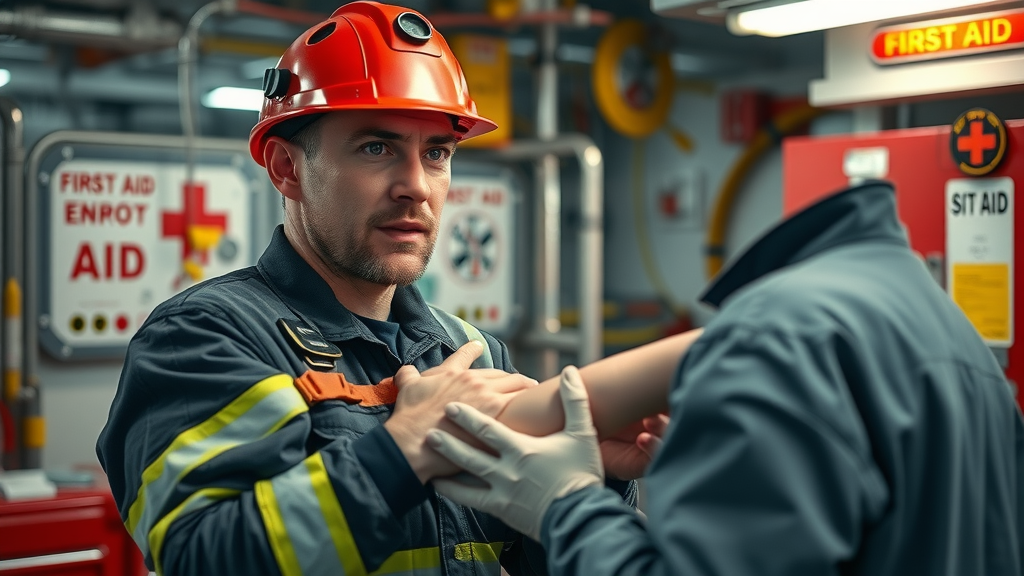
Injury Law: How an Attorney Helps Injured Offshore Oil Rig Workers
The Importance of Case Evaluation for Oil Rig Workers
- Free case consultations for offshore oil rig worker injury claims: As an attorney focusing on injury law for oil rig workers, I offer free case evaluations to determine the strength of potential claims and map out a legal strategy tailored to offshore oil rig scenarios.
- How attorneys assess liability and build a strong case: Legal teams gather evidence, analyze safety protocols, and assess responsibility among rig managers, equipment manufacturers, or third parties. This rigorous preparation means maximum recovery for clients injured on oil rigs.
- Examples of compensation: Offshore oil rig workers may pursue recovery for medical expenses, lost wages during recovery, ongoing healthcare, and damages for long-term pain and suffering. Each case is unique, and a thorough case evaluation is essential to protect every injury law right you have as an offshore rig worker.

People Also Ask: Answers About Offshore Oil Rig Workers
Do oil rig workers make $200,000?
Typical Oil Rig Worker Salaries
- Entry-level offshore oil rig workers earn considerably less than $200,000 per year. Most start at a lower wage, working their way up through experience and tenure.
- Some specialized roles, such as rig manager or Offshore Installation Manager (OIM), can exceed $200,000 with years of experience, overtime, and bonuses. However, six-figure salaries are not the norm for most rig workers.
What is an offshore oil rig worker?
Job Overview of Offshore Oil Rig Workers
- Offshore oil rig workers operate, maintain, and oversee equipment and safety protocols on oil rigs located at sea. Their responsibilities are varied and crucial to the operation and safety of offshore oil rigs.
What qualifications do I need for offshore jobs?
Education & Certification Requirements for Rig Workers
- High school diploma or equivalent is typically the minimum educational requirement.
- Physical fitness is essential, as offshore rig work is physically demanding and entails long shifts, often in harsh conditions.
- Certifications in rig safety, first aid, and emergency response are required before working on an offshore rig. Previous experience, either onshore work or in similar industrial environments, is highly valued.
What is the highest paid oil rig job?
Top Paying Roles on Offshore Oil Rigs
- Rig Manager/Offshore Installation Manager (OIM)
- Drilling Engineer
- Toolpusher
Key Takeaways for Offshore Oil Rig Worker Safety and Injury Law
- Offshore oil rig workers face unique and critical hazards each day.
- Strict adherence to safety protocols and understanding legal rights are vital for every rig worker.
- Prompt action after an accident can greatly affect the outcome of an injury law claim.
- A knowledgeable attorney with offshore rig experience can make a decisive difference in your recovery and compensation.
FAQs: Offshore Oil Rig Worker Injury Law and Support
- What legal protections do offshore oil rig workers have?
Offshore oil rig workers are protected under laws such as the Jones Act and other federal maritime regulations. These laws ensure safety standards and provide the right to pursue injury claims. - What steps should I take immediately after a rig injury?
Seek medical attention, document the injury and accident scene, report to your manager, and consult with an experienced attorney to safeguard your rights. - How does compensation work in offshore injury cases?
Compensation may include medical costs, lost wages, future rehabilitation, and damages for pain and suffering. Each claim is unique and should be reviewed during a free case evaluation. - Why hire an attorney specializing in offshore oil rig injuries?
Maritime injury law is complex; having an attorney familiar with offshore rigs, injury law, and compensation ensures the best possible outcome for your claim.
Conclusion: Protection, Prevention, and Support for Offshore Oil Rig Workers
“Your safety and recovery come first. As an offshore oil rig worker, you deserve justice—and I’m here to help.” – Attorney Ken St. Pé