Did you know? Offshore oil and gas industry workers are twice as likely to be seriously injured on the job as their land-based counterparts, exposing them to unique dangers that demand specialized legal help. If you’ve been involved in an offshore accident, understanding why – and when – to call an offshore accident attorney can mean the difference between a denied injury claim and the compensation you deserve.
Startling Facts: The Reality of Offshore Accidents and Why an Offshore Accident Attorney Matters
The offshore oil and gas industry is notorious for its high-risk environment. According to recent statistics, workers on offshore rigs and platforms face one of the highest injury rates among all U.S. occupations. Slips, falls, equipment malfunctions, and toxic exposures are daily threats for offshore workers, resulting in thousands of offshore injuries and fatalities each year. For harbor workers and crews in the Gulf of Mexico, these hazards are magnified by harsh weather and complex machinery.
The personal and financial aftermath of offshore accidents can be devastating. Beyond physical pain, you may confront mounting medical bills, lost wages, and emotional turmoil. Legally, you’re up against powerful corporations and their insurers, making it almost impossible to handle an injury case alone. This is why involving an offshore accident lawyer promptly is crucial. A skilled injury attorney ensures your claim is taken seriously, evidence is preserved, and you get every benefit you’re entitled to under the Jones Act and maritime law.
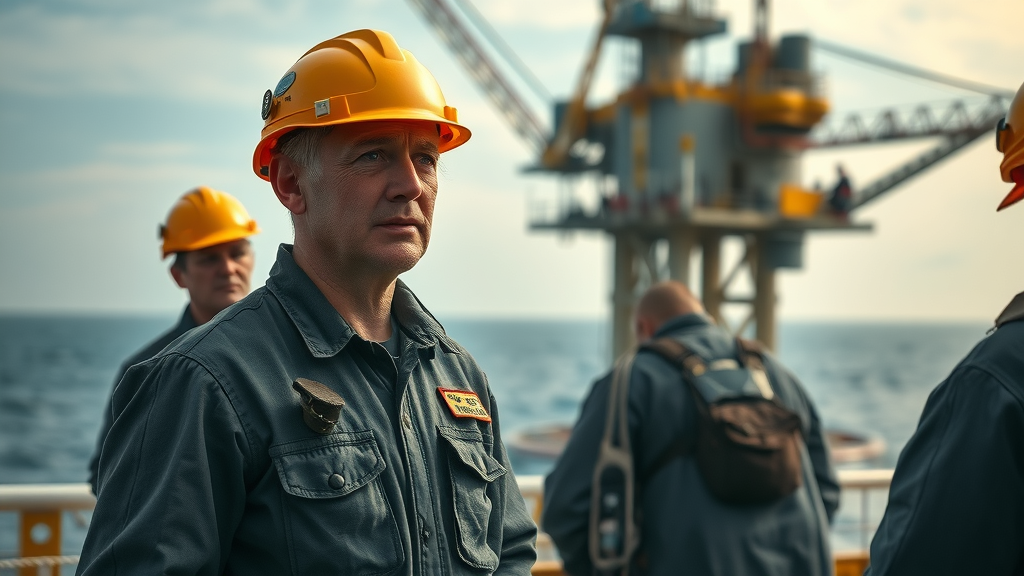
- Current statistics on offshore injury rates and high-risk jobs in offshore work
- Financial, legal, and personal consequences of offshore accidents
- Why swift action with an offshore accident attorney is critical for your injury case
What You’ll Learn About Offshore Accident Attorneys and Protecting Your Rights
Not sure when to call an offshore accident attorney or what you can expect from the injury claims process? This guide outlines the ways an injury lawyer can maximize your compensation, the vital role of maritime law, and why waiting could cost you your entire case. As you move forward, you’ll discover actionable steps, get insider advice from lawyers handling offshore injuries, and gain clarity about your rights so you’re ready to act quickly after an accident.
- When it’s absolutely necessary to contact an offshore accident attorney
- The most common types of offshore accidents and injuries
- How offshore accident lawyers and injury attorneys can maximize your claim
- Key laws like the Jones Act and maritime law
- What to expect when hiring an offshore accident attorney
Understanding the Role of an Offshore Accident Attorney in Accident Claims
What Is an Offshore Accident Attorney?
An offshore accident attorney is a legal specialist who focuses exclusively on helping offshore workers and their families after a workplace injury at sea or on offshore oil and gas facilities. Unlike a general accident lawyer or personal injury attorney, these experts are specifically trained in maritime law – an area of law that governs incidents on navigable waters and offshore platforms. Their knowledge covers the intricacies of the Jones Act, compensation rules for harbor workers, and the unique hazards of offshore work.
What sets offshore accident attorneys apart is their hands-on experience dealing with oil rig accidents, vessel-related injuries, and injury law claims arising from the oil and gas industry. Their expertise runs deeper than just legal knowledge; it’s about understanding maritime operations, the safety standards required by law, and the tactics corporations use to limit your recovery. If you’re an injured worker facing a daunting recovery, having a specialist by your side makes all the difference in outcome.

- Differences between an offshore accident attorney and a general accident lawyer
- How injury attorneys specialize in maritime law and offshore injuries
How Offshore Accident Attorneys Help with Offshore Injury and Accident Claims
A capable offshore accident lawyer takes on every aspect of your injury case: they’ll investigate the accident scene, collect vital evidence, and interview witnesses before memories fade. These steps are critical, since employers and insurers often dispute responsibility and downplay the seriousness of your injuries. The right injury attorney is also a strong negotiator when dealing with insurance adjusters and big offshore accident law firms, advocating fiercely on your behalf for medical care, lost wages, and compensation for pain and suffering.
Your attorney’s job doesn’t end with securing financial recovery. They’re also vital in protecting your legal rights, making sure you’re not pressured into a quick (and unfair) settlement or misled about your options under federal maritime injury law. From filing your claim on time to aggressive representation in court if needed, their expertise can determine the success or failure of your offshore injury case. If you want to safeguard your future, their help is non-negotiable.
- Investigating offshore injury claims
- Dealing with insurers and offshore accident law firms
- Protecting legal rights of offshore workers after offshore accidents
Most Common Offshore Accidents That Require an Offshore Accident Attorney
Offshore accidents come in many forms — and some are far more likely to result in severe injuries or death. Oil rig accidents, for instance, remain shockingly common, with workers suffering from burns, traumatic brain injuries, and long-term disabilities after equipment mishaps or explosions. Slips and falls caused by wet decks, uneven surfaces, or defective safety gear are other frequent causes of offshore injuries.
In the oil and gas industry, toxic exposure from chemicals, smoke inhalation, and fires can affect not only oil rig workers, but also those in harbor support roles and the broader offshore oil supply chain. Accidents involving harbor workers may include being struck by heavy cargo, equipment failures, or dangerous gas industry leaks. In these cases, a seasoned injury attorney is prepared to prove employer negligence, bringing in industry experts and leveraging their knowledge to win the compensation you need.

- Oil rig accidents and oil rig worker injuries
- Slips, falls, and equipment related offshore injuries
- Fires, explosions, and toxic exposure cases
- Gas industry and harbor worker-specific incidents
Watch: Real stories and expert attorney insights show why hiring an offshore accident attorney is vital after suffering an offshore injury. See how legal representation can mean the difference between denied benefits and a fair settlement.
Step-by-Step: What to Do After an Offshore Accident (Advice from Top Injury Lawyers)
Taking the right actions after an offshore accident is key to protecting your legal and financial future. Here’s an essential checklist recommended by leading injury lawyers and offshore accident attorneys:

- Seek medical attention for your offshore injuries: Always prioritize your health. Immediate medical care ensures your injuries are documented, which is vital if your employer or insurer disputes your claim.
- Report the offshore accident to your employer: Timely, proper reporting is essential to follow company and legal protocols. Make sure an official accident report is filed and get a copy for your records.
- Document everything related to your injury case: Take photos of the scene, your injuries, and any defective equipment. Keep records of all medical bills, work absences, and correspondence with your employer.
- Consult with an offshore accident attorney before giving statements: Do not provide a recorded statement, sign anything, or admit fault without first speaking with a qualified offshore accident lawyer.
- Preserve evidence for your personal injury or offshore accident lawyer: Keep any physical evidence (such as damaged gear or equipment) and contact witnesses who can support your version of events.
Key Laws Protecting Offshore Workers: How an Offshore Accident Attorney Uses the Jones Act and Maritime Law
The legal landscape for offshore accidents is unlike any other. As an employee working on offshore oil rigs or vessels, you’re protected by federal statutes including the Jones Act and broader maritime law. These laws provide special remedies for injured offshore workers and their families, holding employers accountable and offering benefits that far exceed traditional workers’ compensation.

Understanding the Jones Act and Your Rights After Offshore Accidents
The Jones Act is the cornerstone of U.S. maritime law. It allows eligible offshore workers—such as seamen and oil rig crew members—to sue their employers directly if negligence led to their injuries. This statute offers substantial protections including reimbursement for lost wages, medical bills, and compensation for pain and suffering. With mounting costs after an offshore injury, your financial stability often hinges on a skilled offshore accident lawyer‘s ability to apply the Jones Act to your case.
When Maritime Law Applies to Offshore Injury Cases
Maritime law applies to a broad range of offshore platforms, vessels, and support operations—whether you’re on the open sea, the Gulf of Mexico, or within a harbor. These distinct legal standards govern liability, evidence, and even the calculation of damages for offshore injuries. A specialized injury attorney will identify which parts of injury law or the Jones Act apply to your specific circumstances, making sure you don’t leave any compensation on the table.
How to Choose the Right Offshore Accident Attorney or Law Firm
The outcome of your offshore injury case often depends on picking an attorney with specific maritime experience—not just someone advertising as a general accident lawyer or injury attorney. Look for a law firm that regularly handles offshore accidents, knows the ins and outs of the oil and gas and gas industry, and isn’t afraid to stand up to large corporations. The right injury lawyer should offer a free consultation, a clear plan of action for your claim, and documented success with other offshore workers.

- Key qualities in an offshore accident lawyer
- Questions to ask during your injury attorney consultation
- How to assess expertise in offshore injuries and offshore accident law
Tables: Offshore Accident Attorney Services vs. Standard Accident Lawyer Services
Understanding the difference between general accident law and offshore injury law can help you choose the right representation:

| Service/Expertise | Offshore Accident Attorney | Standard Accident Lawyer |
|---|---|---|
| Maritime & Jones Act Experience | Extensive; required for offshore injuries and accidents | Limited; mainly land-based personal injury law |
| Understanding of Offshore Oil, Gas, and Vessel Operations | Yes; deep knowledge of oil rigs, equipment, and industry risks | No; lacks niche industry experience |
| Handling Multi-Million Dollar Claims | Routine; often represents seriously injured offshore workers | Rare; focuses on typical car or slip/fall accidents |
| Evidence Preservation for Offshore Injury Cases | Specialized; rapid scene investigation and accident reconstruction | General; not equipped for unique offshore hazards |
| Insurance Company Negotiation | Aggressive, maritime-focused approach to maximize compensation | Standard negotiation practices apply |
Testimonials and Quotes from Offshore Accident Attorneys and Clients
“After my offshore injury, having an experienced attorney made all the difference in my settlement and peace of mind.”—Former Offshore Worker
“Offshore accident lawyers understand the unique dangers and complexities of offshore work unlike any other injury attorneys.”—Attorney Ken St. Pé
Watch: Real offshore workers and leading attorneys share first-hand stories about recovery and legal battles after serious offshore platform accidents.
When Should You Absolutely Call an Offshore Accident Attorney?
Certain scenarios demand immediate legal action. If you or a loved one sustains serious offshore injuries, experiences a fatality, or faces claim denial, you must call an offshore accident attorney without delay. Time is of the essence—waiting can hurt your ability to recover lost wages, cover medical bills, or hold negligent parties accountable under maritime law and the Jones Act. An expert attorney can also guide you through complex fatality cases, explosions, or incidents involving multiple injured workers.
Don’t navigate the legal system alone—every year, offshore workers lose their rights simply by not knowing when to ask for help. Having a strong, resourceful law firm in your corner ensures no one takes advantage of you while you recover.

- If you have serious offshore injuries or permanent disability
- When your offshore injury claim is denied or delayed
- If you’re unsure about your rights under the Jones Act or maritime law
- In situations involving fatalities, explosions, or multiple offshore workers
Key Takeaways: Offshore Accident Attorney Advantages
- You need expert legal help for offshore injuries
- Specialized injury attorneys and accident lawyers maximize compensation
- Early consultation with an offshore accident attorney protects your rights
FAQs: Offshore Accident Attorney and Personal Injury Claims
How much does it cost to hire an offshore accident lawyer?
- Answer: Most offshore accident attorneys work on a contingency basis, meaning no fees unless you win your injury case.
What not to say to an injury lawyer?
- Answer: Do not admit fault, exaggerate injuries, or provide unnecessary details before your attorney’s advice.
How long does an offshore accident case take?
- Answer: An offshore injury case can take months to several years, depending on case complexity and law firm resources.
How hard is it to win a car accident lawsuit?
- Answer: Offshore accidents are legally complex and require seasoned accident lawyers, making legal representation crucial for success.
Conclusion: Take Action—Let an Offshore Accident Attorney Advocate for You
“Don’t delay. Early legal intervention is often the key to recovering what you truly deserve.”—Attorney Ken St. Pé
Injured Offshore?Contact Attorney Ken St. Pé. Visit stpelaw.com or Call 337-534-4043
Ready for real help? Reach out now for your free consultation—don’t wait until your rights slip away!